Car Interior Color Suitability Calculator
Use this tool to determine the best interior color for your vehicle based on your climate, lifestyle, and priorities.
Walk into any dealership or scroll through a used car listing, and you’ll notice something interesting. The cars that catch your eye first usually have one thing in common: their interior color scheme feels intentional. It’s not just about looking good; it’s about how the space makes you feel the moment you sit down. But if you’ve ever wondered what color is most attractive in a car, you’re not alone. This question sits right at the intersection of psychology, design trends, and practical daily driving.
The short answer? Black remains the king of popularity and resale value, but beige and tan are making a serious comeback for comfort and perceived luxury. However, "attractive" is subjective. What looks sleek to one person might look like a cave to another. To figure out which shade works best for you, we need to look beyond personal taste and examine the data on buyer preferences, heat retention, and long-term wear.
The Psychology Behind Car Interior Colors
Color isn’t just decoration; it’s a mood setter. When you choose an interior color is the primary visual element inside a vehicle that influences driver perception and emotional response, you’re essentially designing a small living space. Psychologists have studied this extensively. Dark colors like black and charcoal convey authority, sophistication, and sportiness. They create a sense of enclosure, which many drivers associate with safety and focus.
On the flip side, light colors like beige, cream, or white evoke openness, cleanliness, and relaxation. Think about high-end hotels or spas-they rarely use dark walls because they want guests to feel airy and calm. The same logic applies to your car. If you spend hours commuting, a lighter interior can reduce visual fatigue. A study by the American Automobile Association (AAA) is a major advocacy group and automotive service provider in the United States noted that drivers often perceive lighter interiors as more spacious, even when the physical dimensions remain unchanged. This illusion of space is crucial in compact cars where every inch counts.
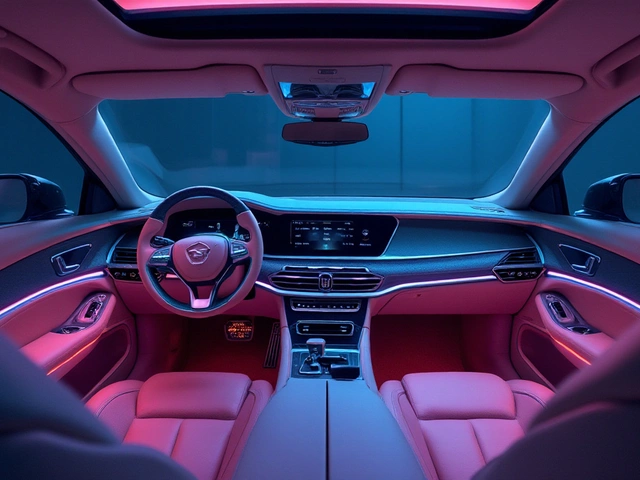
Then there’s red. Red interiors scream performance. They trigger adrenaline and excitement. That’s why sports cars from brands like Ferrari or Porsche often offer red leather options. But here’s the catch: red can be overwhelming. If you drive a family SUV, a bright red interior might feel out of place. It’s aggressive. For most daily drivers, neutral tones win because they don’t fight for attention.
Black vs. Tan: The Eternal Debate
If you ask ten people what color is most attractive in a car, seven will say black. Three will say tan or beige. Why such a split? It comes down to two competing priorities: aesthetics versus practicality.
Black Interiors:
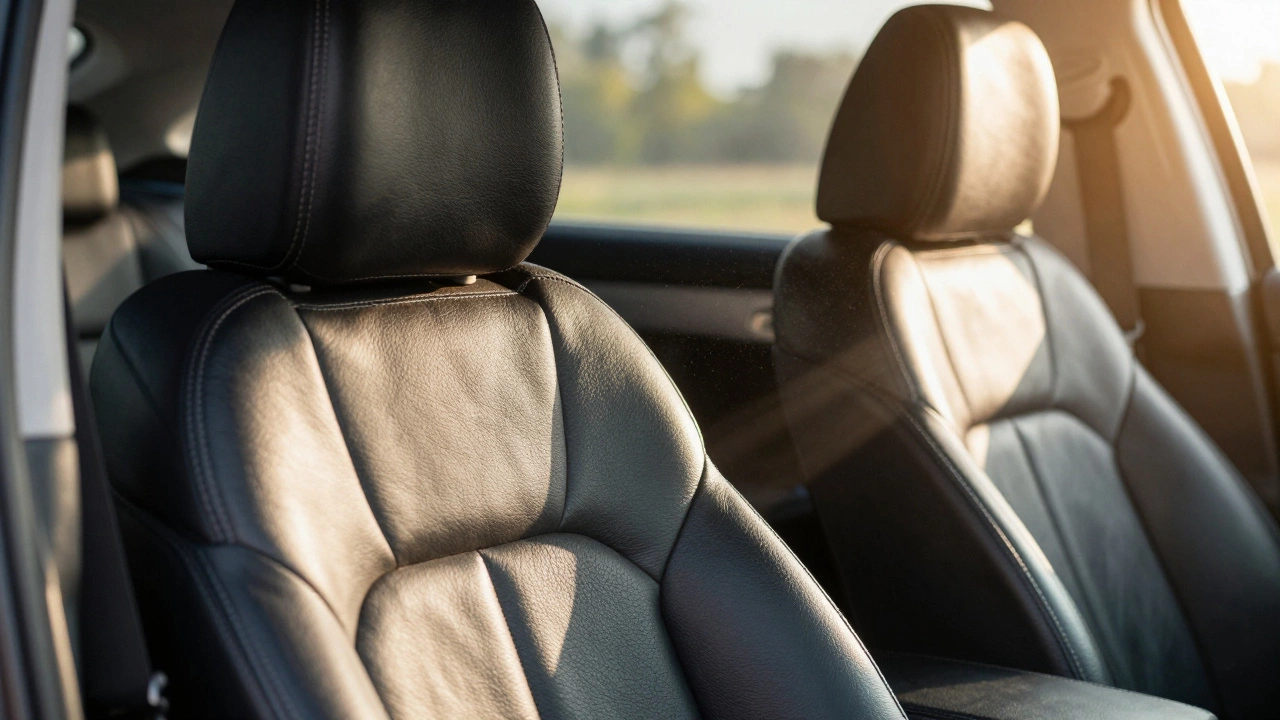
- Pros: Hides dust and minor dirt surprisingly well (until it gets really dirty). Looks modern and sleek. Matches almost any exterior color. Resale value is highest because it appeals to the broadest audience.
- Cons: Gets incredibly hot in direct sunlight. Shows lint, hair, and crumbs instantly. Can feel claustrophobic in smaller vehicles. Scratches on black leather show up clearly over time.
Tan/Beige Interiors:
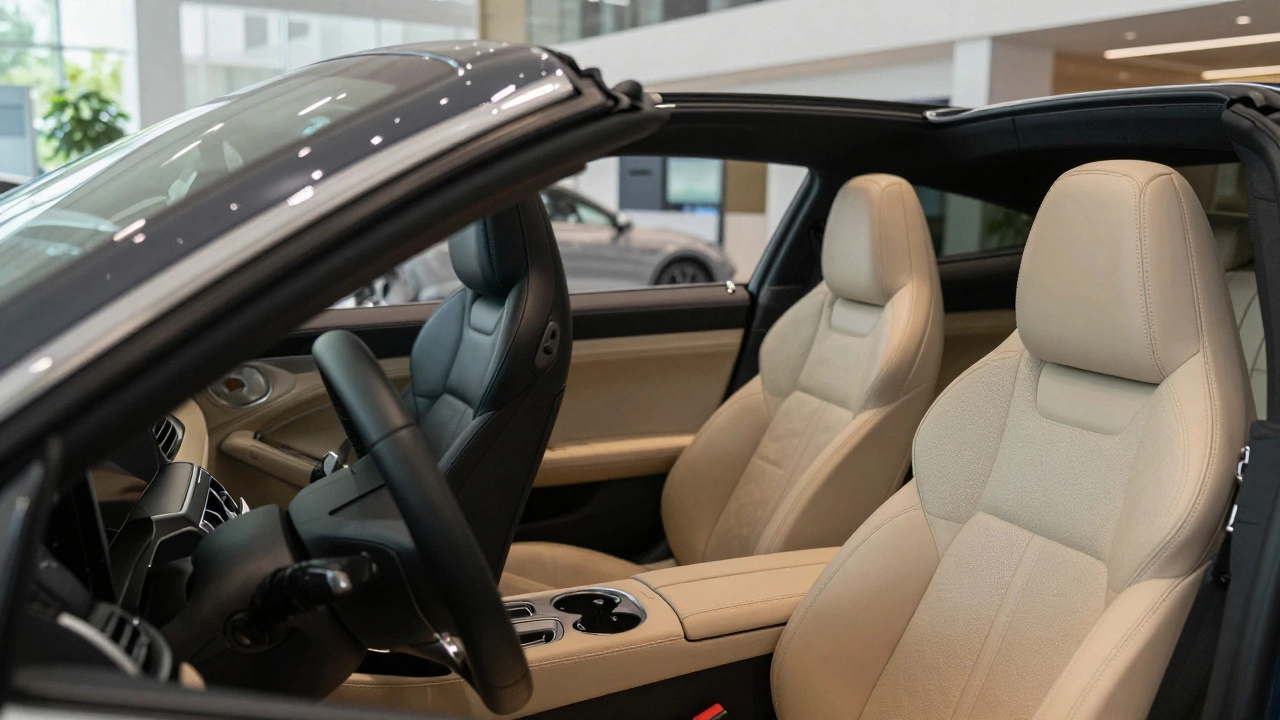
- Pros: Reflects light, keeping the cabin cooler in summer. Makes the car feel larger and airier. Hides dust and pollen better than black. Associated with premium luxury brands like Mercedes-Benz and Lexus.
- Cons: Stains easily with coffee, mud, or juice spills. Fades faster under UV exposure. Requires more frequent cleaning to maintain that "new" look.
In Brisbane, Australia, where I live, the sun is no joke. A black interior in mid-January can reach temperatures that burn your thighs. Here, tan or grey interiors aren’t just stylish; they’re practical. If you’re in a colder climate, black might be preferable because it absorbs heat, warming up the cabin faster on winter mornings. Location matters more than you think.
| Color | Heat Retention | Dirt Visibility | Resale Appeal | Best For |
|---|---|---|---|---|
| Black | High | Low (dust), High (lint) | Very High | Sports cars, commuters, resale-focused buyers |
| Beige/Tan | Low | Medium | High | Luxury sedans, hot climates, families |
| Grey/Silver | Medium | Low | High | Tech-heavy vehicles, modern designs, all-weather use |
| Brown/Cognac | Medium | Low | Medium-High | Classic styles, trucks, warm aesthetics |
| Red | High | Medium | Low-Medium | Performance enthusiasts, statement pieces |
The Rise of Grey and Brown Interiors
While black and tan dominate the conversation, grey has quietly become the new neutral. Modern cars from Tesla to Toyota increasingly feature grey cloth or leatherette interiors. Why? Because grey strikes the perfect balance. It doesn’t absorb heat like black, nor does it stain as easily as beige. Plus, grey complements the growing trend of silver and white exterior paint jobs.
Brown, particularly cognac or saddle brown, is having a renaissance too. Once associated with older, traditional vehicles, brown leather now signals craftsmanship and warmth. Brands like BMW and Audi use brown accents to add character without sacrificing elegance. If you want your car to feel unique but not flashy, brown is a smart choice. It pairs beautifully with wood trim and metal accents, creating a cozy, upscale vibe.
How Exterior Color Influences Interior Choice
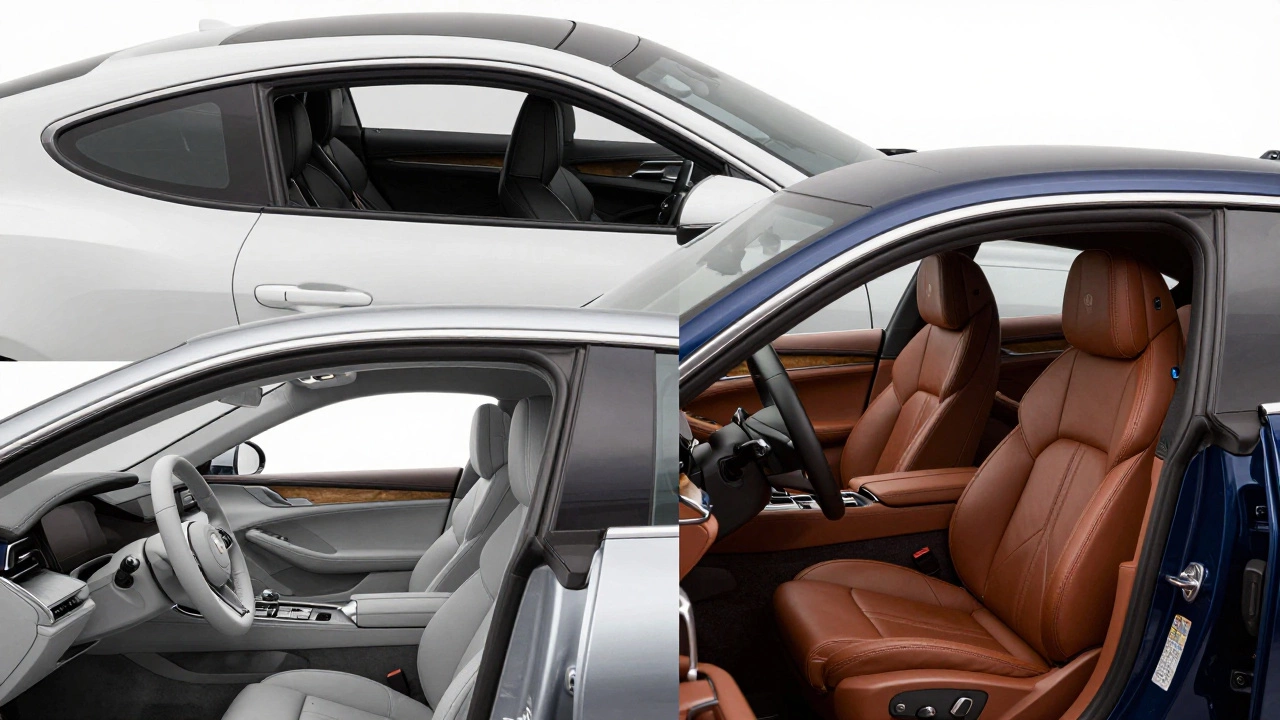
You can’t talk about interior attractiveness in isolation. Your exterior color sets the stage. A white car with a black interior creates a sharp, high-contrast look that feels sporty and clean. A black car with a black interior goes full stealth mode-aggressive and mysterious. But a black car with a tan interior? That’s classic luxury. The contrast draws the eye inward, making the cabin feel like a separate, refined space.
Consider these pairings:
- White Exterior + Black Interior: Crisp, professional, timeless.
- Silver/Grey Exterior + Grey Interior: Monochromatic, futuristic, cohesive.
- Blue/Red Exterior + Tan Interior: Warm, inviting, balanced.
- Black Exterior + Brown Interior: Sophisticated, rich, distinctive.
Material Matters More Than You Think
Let’s be honest: a red vinyl seat won’t look as attractive as a red leather one. The material defines the texture, sheen, and overall quality perception. Leather ages gracefully, developing a patina that adds character. Cloth offers durability and breathability but lacks the premium feel. Synthetic materials like vegan leather or Alcantara bring modern benefits-stain resistance, lightweight construction, and sustainability-but they change how the color appears under different lighting.
Alcantara, for instance, absorbs light differently than smooth leather. A black Alcantara headliner looks matte and subdued, while black leather shines. This affects the perceived depth of the color. If you’re aiming for a sporty yet luxurious look, combining black leather seats with an Alcantara dashboard creates visual interest without introducing new colors.
Practical Tips for Choosing Your Ideal Interior
Before you finalize your decision, consider these factors:
- Climate Check: Live in a hot region? Avoid solid black. Opt for grey, beige, or perforated leather to improve airflow.
- Lifestyle Factor: Kids? Pets? Coffee drinkers? Skip light colors unless you plan to clean weekly. Dark greys or blacks hide messes better.
- Resale Strategy: Plan to sell in 3-5 years? Stick to black, grey, or tan. These colors appeal to the widest buyer pool.
- Lighting Test: Visit dealerships at different times of day. Sunlight changes how colors look. A beige interior might look creamy in the morning but yellowish in the afternoon.
- Personal Comfort: Sit in the car for at least 10 minutes. Does the color make you feel relaxed or stressed? Trust your gut.
Frequently Asked Questions
Is black really the most popular car interior color?
Yes, black consistently ranks as the top choice globally. According to industry reports from J.D. Power and Kelley Blue Book, black interiors account for nearly 40% of all new car sales. Its universal appeal, ease of matching with exteriors, and strong resale value keep it at the top.
Do light-colored interiors fade faster?
They do. UV rays break down dyes in lighter fabrics and leathers over time. Beige and cream interiors may yellow or lose vibrancy after 5-7 years of heavy sun exposure. Using window tint and parking in shade can significantly slow this process.
Which interior color hides dirt best?
Mid-tone greys are champions at hiding everyday dirt. They don’t show dust like black or stains like beige. Patterned cloth seats also excel at concealing debris. For low-maintenance owners, grey cloth or textured leather is ideal.
Does interior color affect car resale value?
Absolutely. Neutral colors like black, grey, and tan fetch higher prices because they attract more buyers. Bold colors like red or blue limit your market to niche enthusiasts. On average, cars with standard interior colors sell 10-15% faster than those with unusual hues.
Can I change my car’s interior color later?
Yes, through upholstery retrimming or wrapping. Professional shops can recolor leather seats using dye or replace fabric entirely. Costs range from $1,500 to $5,000 depending on complexity. While possible, factory-original interiors still hold more value, so choose wisely upfront.