Warranty Impact Checker
According to consumer law, modifications do not automatically void your entire warranty. Use this tool to check if a specific issue is likely related to your lift kit installation.
Select an issue and lift type to see potential warranty coverage.
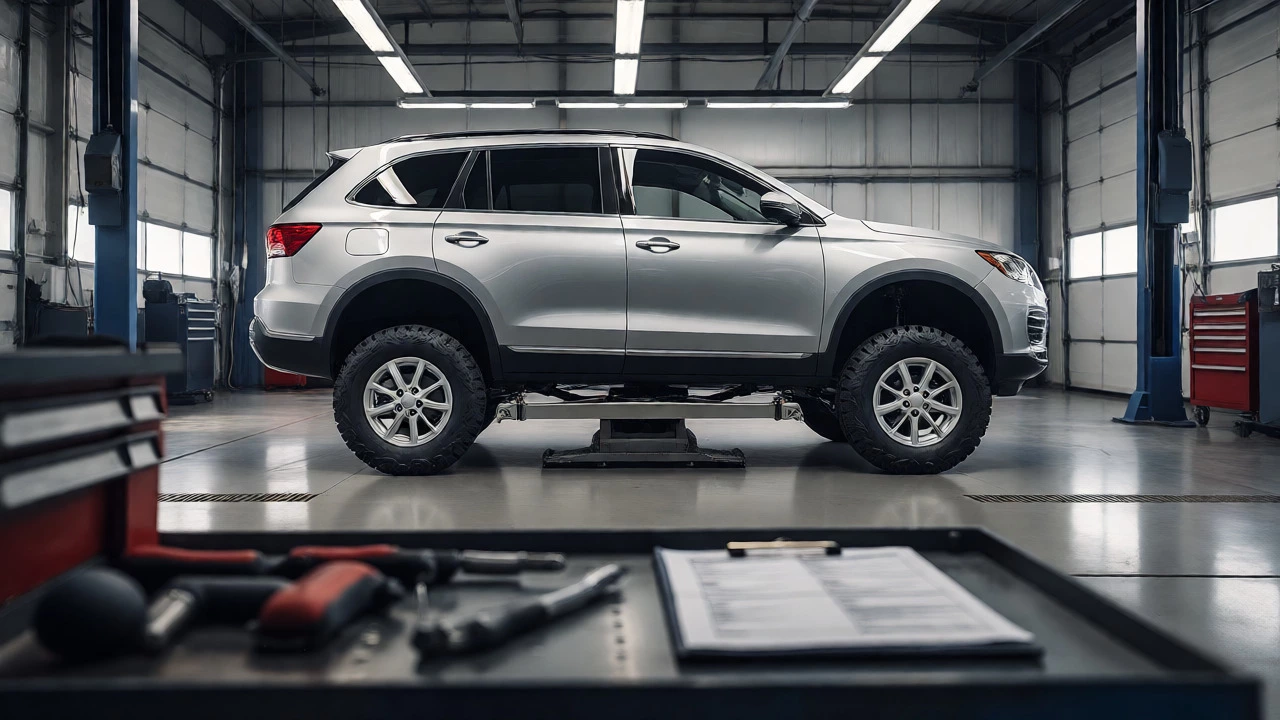
You just bought that shiny new 4x4 or SUV. It’s perfect, except for one thing: it looks a bit... small. You’re eyeing a 2-inch lift kit, a suspension modification designed to raise the chassis and improve ground clearance. But then the panic sets in. Will the dealership look at your receipt and laugh you out of the service center? Will they slap you with a bill for $3,000 because a bushing wore out early?
Here is the short answer: No, a lift kit does not automatically void your entire vehicle warranty. That is a myth dealers love to use to scare you into buying their overpriced accessories. However, it does complicate things. If your warranty claim relates directly to the modification, they can deny it. If your air conditioning breaks because you lifted the front end two inches? They still have to fix it. If your CV joints blow up because the angles changed? That’s on you.
The Golden Rule: Modification vs. Causation
Think about how warranties actually work. In Australia, under the Australian Consumer Law (ACL), legislation protecting consumers against unfair practices and defective goods, a manufacturer cannot void your warranty simply because you modified the car. They can only refuse a specific repair if they can prove your modification caused the failure.
This is called "causation." Let’s break it down with a real-world scenario. Imagine you install a body lift on your Toyota Hilux. Six months later, your infotainment screen stops working. Does the lift cause the screen to fail? No. The dealer must replace the screen under warranty. Now, imagine six months later, your rear leaf springs crack. Did the lift change the load distribution and stress points? Yes. The dealer will likely deny that specific claim. You pay for the springs; they cover the radio.
The burden of proof lies with the dealer. They don’t get to say, "You lifted it, so we won't touch it." They have to demonstrate that the lift kit was the direct reason part X failed. This distinction saves thousands of dollars for smart owners who know their rights.
What Parts Are Actually At Risk?
Not all modifications are created equal. A 2-inch lift is generally considered a "mild" upgrade compared to a 6-inch monster truck build. But even mild changes alter geometry. Here is what typically falls outside warranty coverage when you add height:
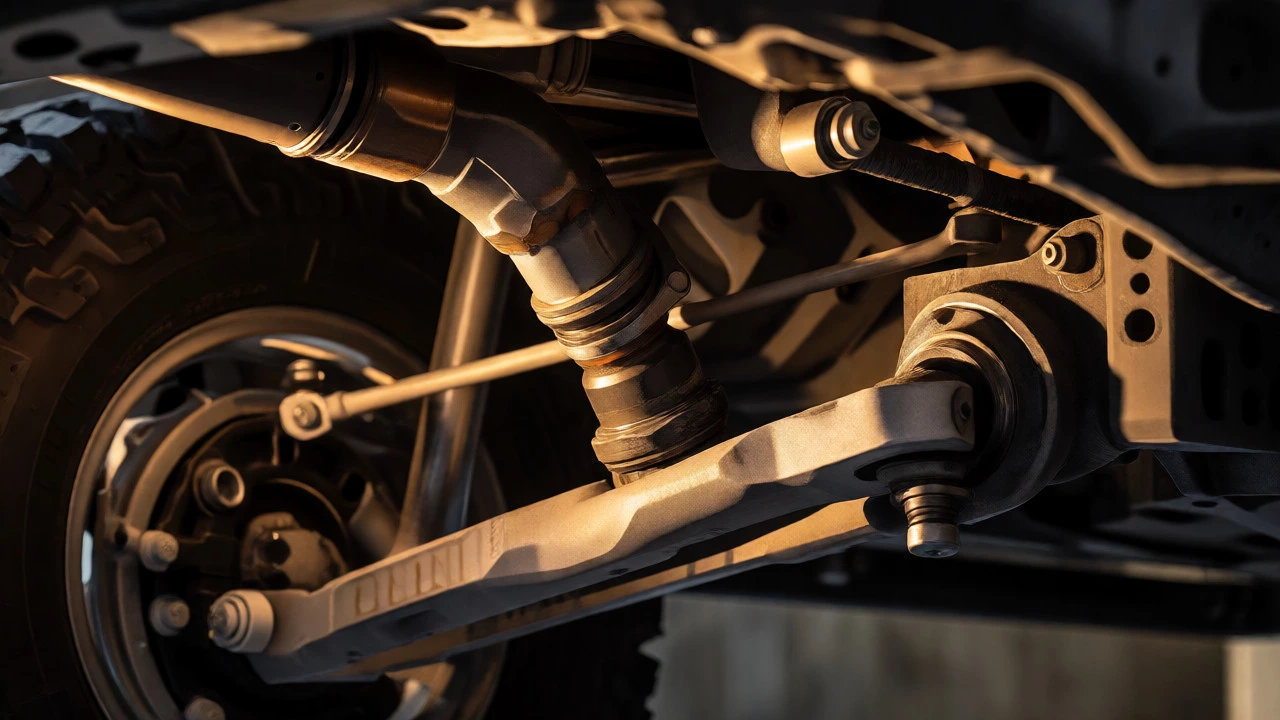
- CV Joints and Axles: Lifting changes the angle of your drive shafts. If you don’t correct these angles with drop brackets or spacers, the joints wear out faster. Dealers will argue this is premature wear due to modification.
- Driveshaft Bearings: Similar to CV joints, altered angles put extra stress on the U-joints and bearings. If they fail early, expect to pay.
- Suspension Components: Shocks, struts, and control arms are often considered "wear and tear" items anyway. But if you install aftermarket shocks as part of the lift kit, the factory shock warranty is gone by definition.
- Brake Lines: If you stretch stock brake lines too far without extending them properly, they might burst. That’s your fault, not the manufacturer’s.
Conversely, parts like the engine block, transmission internals (assuming you didn’t change gearing), electronics, and interior trim remain fully covered. Your heater blowing hot air has nothing to do with how high your bumper sits off the ground.
Body Lift vs. Suspension Lift: Does It Matter?
Yes, it matters significantly for warranty claims. There are two main ways to gain height, and they affect the car differently.
| Feature | Body Lift | Suspension Lift |
|---|---|---|
| How it works | Raises the cab/body using blocks between frame and body. | Replaces or modifies springs, shocks, and control arms. |
| Drivetrain Stress | Minimal. Driveline angles remain mostly unchanged. | High. Changes CV joint and driveshaft angles significantly. |
| Warranty Risk | Low. Harder for dealer to blame drivetrain failures on it. | Moderate to High. Direct link to suspension/drivetrain wear. |
| Cost | Cheaper ($500 - $1,500). | More expensive ($1,000 - $3,000+). |
If you are worried about warranty claims, a body lift is safer for your wallet regarding mechanical repairs. Because the chassis and suspension stay stock, the dealer has a much harder time arguing that the lift caused your transmission to slip or your axle to snap. With a suspension lift, you’ve physically altered the components the manufacturer engineered to work together. You own the consequences of those alterations.
The Dealer Service Trap
Here is where it gets tricky. Many modern vehicles require software calibration after a lift. If you take your lifted Jeep Wrangler or Ford Ranger to an authorized dealer for service, they might refuse to perform certain maintenance unless you revert the car to stock. Why? Because their diagnostic tools and liability insurance assume stock specifications.
In Australia, you have the right to choose your mechanic. You do not need to service your car at the dealership to keep the warranty valid, provided you use qualified technicians and genuine or equivalent quality parts. This is crucial. If you go to a specialist 4x4 shop for your oil changes and inspections, keep every single invoice. When you eventually claim a warranty repair, you need to prove the car was maintained correctly. If the dealer suspects neglect, they’ll point to your lack of service history at their branch, even though legally, independent servicing is fine.
Pro Tip: Always ask your independent mechanic to note the mileage and date on the invoice. If you skip services, the dealer can deny a warranty claim for an unrelated issue, claiming you didn’t maintain the vehicle. Don’t give them that excuse.
Insurance Implications
While the question is about warranty, you cannot ignore insurance. Your comprehensive policy covers theft, fire, and accidents. If you modify your car, you must declare the lift kit to your insurer. Failure to do so can void your entire policy, not just the warranty.
Insurers view lifted cars as higher risk. The center of gravity is higher, increasing rollover potential. Also, larger tires often fitted with lifts can strain the differential and transfer case. Some insurers charge a surcharge for modifications. Others might exclude coverage for the modified parts themselves but cover the rest of the car. Check your Product Disclosure Statement (PDS). In Queensland, where I live, most major insurers allow modifications if declared upfront, but they may require an inspection to ensure the lift was installed professionally.

How to Protect Yourself Before Installing
Don’t just bolt it on and hope for the best. Follow this checklist to minimize friction with your dealer and insurer.
- Choose Reputable Brands: Install kits from established manufacturers like ARB, Ironman 4x4, or Old Man Emu. These brands engineer their products to meet strict tolerances. If a part fails, you can often claim through the kit manufacturer’s warranty instead of the car dealer’s.
- Get Professional Installation: DIY installs are risky. If a nut isn’t torqued correctly, the dealer will blame your incompetence, not the design. Keep the installer’s certificate of compliance. This proves the job was done right.
- Document Everything: Take photos of the installation process. Keep receipts for every part, including bolts, washers, and alignment costs. If a dispute arises, evidence wins arguments.
- Check the Owner’s Manual: Read the warranty section specifically. Look for clauses about "non-standard modifications." Some manufacturers explicitly state that suspension modifications void powertrain warranties. Rare, but possible.
- Talk to Your Dealer First: Call the service manager. Ask, "If I install a 2-inch suspension lift, which specific components would be excluded from warranty coverage?" Get their answer in writing via email. This prevents surprises later.
When to Revert to Stock
Is it worth keeping the lift if you plan to sell the car before the warranty ends? Probably. But if you are nearing the end of the warranty period and planning a major road trip, consider reverting to stock. It’s labor-intensive, but it removes any ambiguity. If something goes wrong on the trip, you want zero hesitation from the roadside assistance provider or dealer.
Also, consider the resale value. In the Brisbane market, a clean, stock-spec vehicle often sells faster than a heavily modified one. Modifications appeal to enthusiasts but limit your buyer pool. A simple 2-inch lift with matching wheels and tires is usually acceptable to most buyers. A lifted rig with oversized tires and no wheel arch flares? That’s a niche sale.
Final Verdict
A 2-inch lift kit does not kill your warranty. It shifts the responsibility. You take ownership of the suspension and drivetrain components affected by the height increase. The rest of the car-engine, electronics, cabin comfort-remains protected. By choosing quality parts, professional installation, and transparent communication with your dealer, you can enjoy the added clearance and presence without losing sleep over warranty claims. Just remember: if you break it, you buy it. But if it breaks on its own? They still owe you a fix.
Does a lift kit void my extended warranty?
Usually, yes, but only for the specific systems affected. Extended warranties are contracts separate from the manufacturer's warranty. Many third-party providers explicitly exclude suspension and drivetrain components if modifications are present. Always read the fine print of your extended warranty contract before installing a lift.
Can I return my car to stock to keep the warranty?
Yes, you can reinstall stock parts. However, you must keep the original parts in good condition. If you sold your stock springs or shocks, you cannot claim warranty on them later. Reverting to stock also requires professional reinstallation and alignment, which adds cost.
Do I need to tell my dealer about the lift?
You should. While you aren't always legally required to notify them immediately for every minor mod, transparency helps during service visits. If they see the lift, they can inspect related components proactively. Hiding it doesn't help if the damage is obvious upon lifting the car.
Will a 2-inch lift affect my fuel economy?
Yes, slightly. Increased aerodynamic drag and rolling resistance from larger tires (often paired with lifts) can reduce fuel efficiency by 5-10%. The lift itself adds minimal weight, but the associated tire upgrades are the primary culprit for increased consumption.
Is a spacer lift different from a suspension lift for warranty?
Spacer lifts sit on top of existing springs. They are less invasive than full suspension lifts but still alter ride height and spring preload. Dealers may argue that spacer lifts accelerate spring fatigue. It is a gray area, but generally, spacer lifts carry lower warranty risk than complete strut/spacer replacements.