Body Kit Installation Cost & Risk Estimator
Configuration
Estimation Results
Configure your options and click Calculate to see estimates.
So, you’ve just picked up that stunning widebody kit for your weekend warrior. The carbon fiber splitters look aggressive, the fender flares promise extra grip, and the price tag is already making you wince. Now comes the big question: can you hand this over to your regular mechanic?
It’s a logical thought. Your mechanic knows your car inside out. They change your oil, fix your brakes, and probably know why your AC rattles when it rains. But installing a body kit isn’t like swapping spark plugs. It’s less about mechanics and more about craftsmanship, precision, and sometimes, a bit of artistic flair.
The short answer? Yes, a mechanic *can* install a body kit. But should they? That depends entirely on what kind of kit you bought and how much you value your paintwork. Let’s break down why sending your project car to a general repair shop might be the most expensive mistake you make-or the best decision if you pick the right pro.
The Difference Between Mechanics and Body Shops
To understand why this matters, we need to separate two very different trades in the automotive world. A mechanic works on the internal systems of a vehicle. Their tools are torque wrenches, diagnostic scanners, and lifts designed to access engines, transmissions, and suspensions. Their goal is function: does the car run smoothly and safely?
A body shop technician, on the other hand, deals with the exterior shell. Their expertise lies in panel gaps, paint matching, fiberglass layups, and alignment. Their goal is aesthetics and structural integrity of the outer skin. When you buy a body kit, you are buying cosmetic parts that must integrate seamlessly with your existing panels. This requires skills in cutting, sanding, bonding, and painting-skills most general mechanics do not practice daily.
Think of it like home renovation. You wouldn’t call your plumber to tile your bathroom floor, even though both involve water pipes. One handles flow; the other handles finish. Similarly, a mechanic handles power; a body specialist handles presentation.
When a Mechanic Might Actually Be Fine
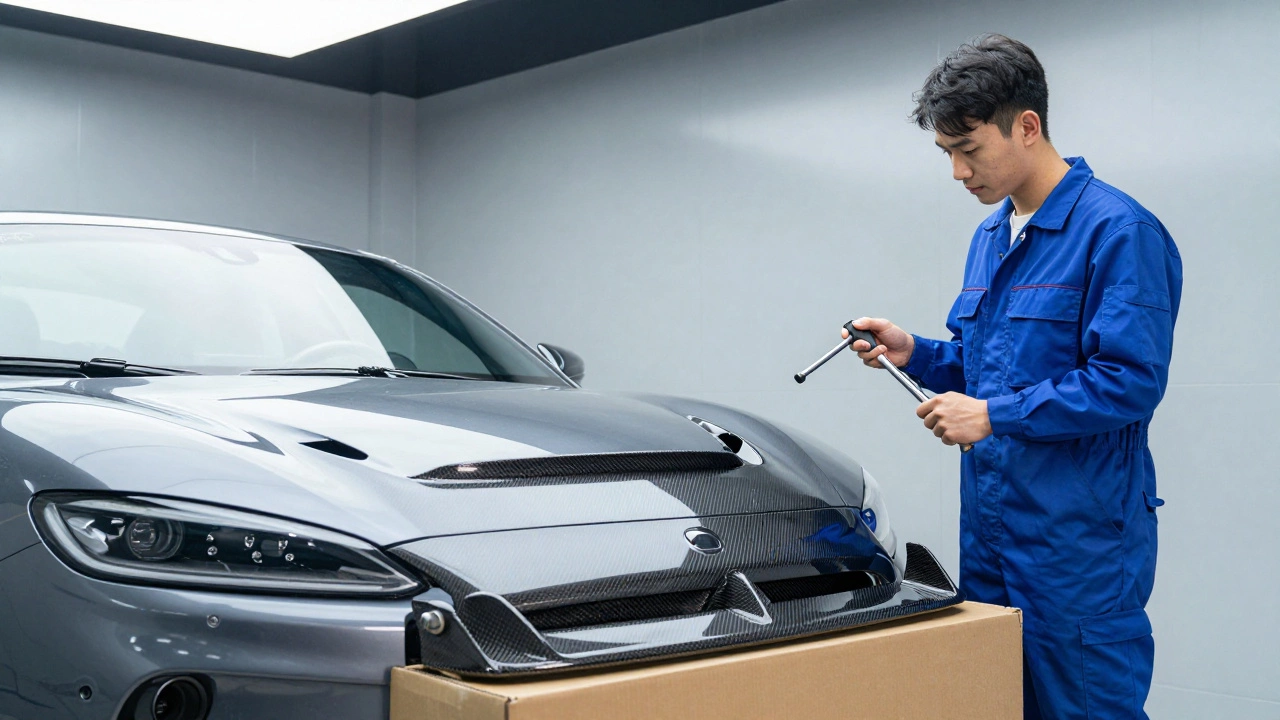
There are scenarios where handing your kit to a trusted mechanic makes sense. If you’ve purchased a bolt-on lip spoiler or a simple front splitter that attaches via double-sided tape or existing bumper bolts, the job is straightforward. These parts require minimal modification. No cutting, no drilling into new holes, and usually no painting required if the part comes pre-finished or matches your trim color.
If your mechanic has a steady hand, good eyesight, and patience, they can handle these basic installations. In fact, many independent garages offer "installation services" for minor accessories as a way to build customer loyalty. Just ensure they have the right adhesive (like 3M VHB tape) and know how to prep the surface properly. Poor adhesion leads to parts flying off at highway speeds-a safety hazard and a wallet drainer.
However, once you move beyond simple lips and start talking about side skirts, rear diffusers, or full bumper replacements, the complexity spikes. Bolt-on doesn't always mean plug-and-play. Factory mounting points often don't align perfectly with aftermarket designs, requiring trimming or custom brackets. This is where the line between "easy DIY" and "professional job" blurs.
The Risks of Using a General Mechanic for Complex Kits
Let’s talk about the real risk: damage. A body kit installation involves removing factory bumpers, which are delicate and filled with sensors, radars, and wiring harnesses. A mechanic used to dropping subframes might not realize that prying too hard on a plastic clip near the parking sensor can crack the bumper cover or disconnect a critical ADAS camera.
Then there’s the issue of fitment. Cheap kits, especially those imported without rigorous quality control, often have poor tolerances. Gaps might be uneven. Panels might rub against wheel arches. A skilled body tech will spend hours sanding, filling, and test-fitting to make the kit look factory-integrated. A busy mechanic, focused on turning over bays quickly, might bolt it on loose, ignore the gaps, and tell you, "That’s just how aftermarket parts look."
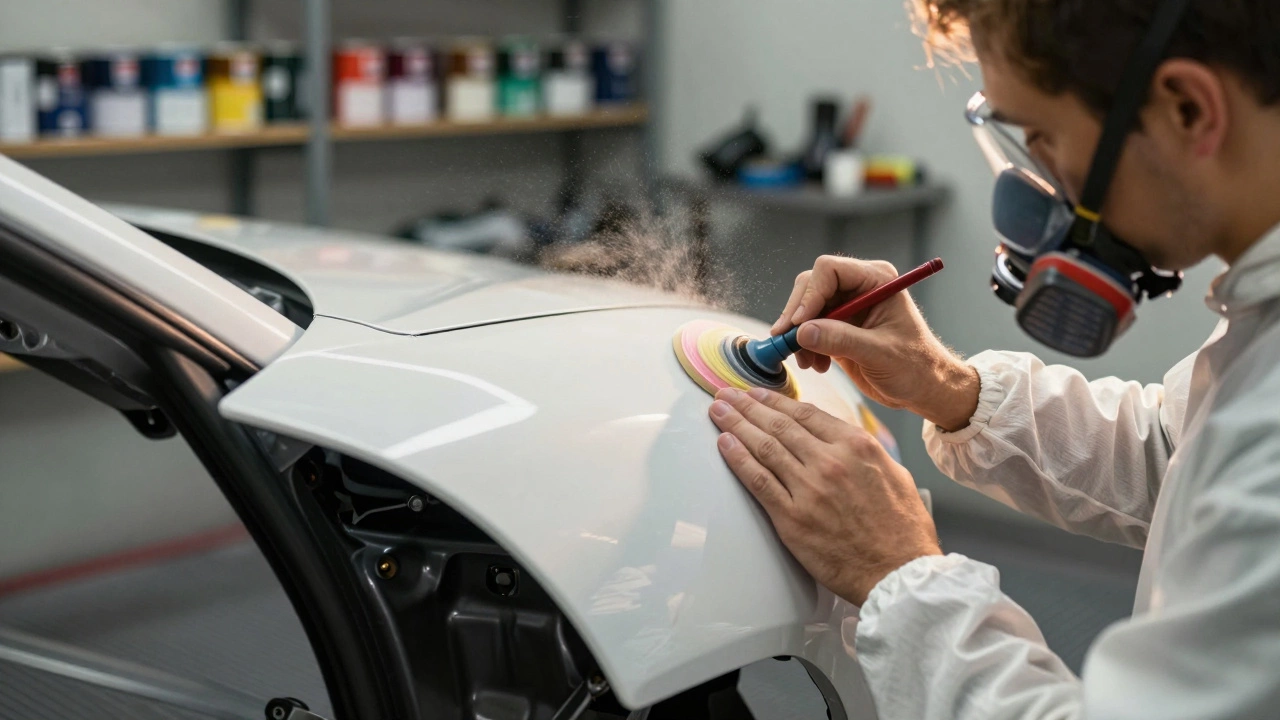
Paint matching is another minefield. If your kit needs to be painted to match your car’s specific shade (e.g., Toyota Super White II or BMW Estoril Blue), a general mechanic rarely has the spray booth, mixing equipment, or expertise to achieve a seamless blend. Mismatched paint looks terrible and reduces resale value. A dedicated body shop uses spectrophotometers to match colors precisely and applies clear coats that withstand UV exposure.
What About Widebody Kits?
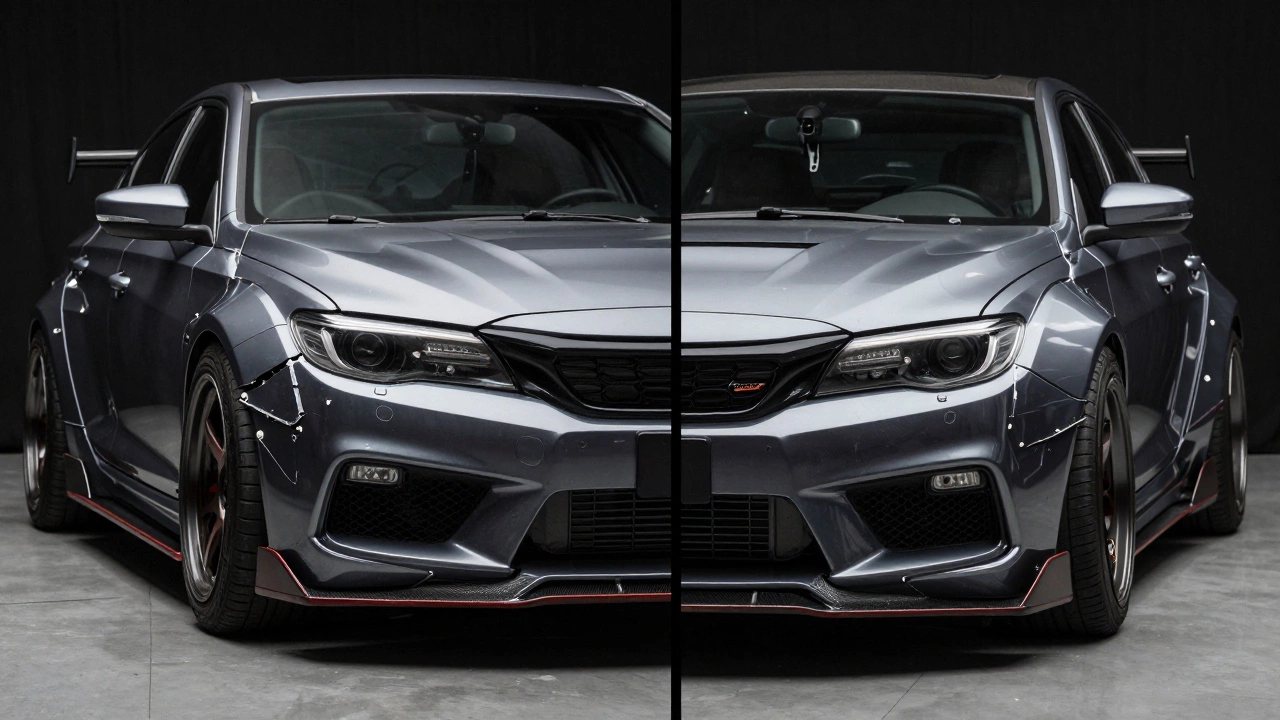
If you’re looking at a widebody kit, forget the mechanic. Full stop. Widebody installations are among the most complex modifications you can perform. They involve extending the wheel arches, which means cutting into your car’s original sheet metal or attaching large composite extensions. This affects aerodynamics, weight distribution, and potentially your suspension geometry.
Widebody kits often require:
- Cutting and welding metal fenders
- Custom fabrication of inner bracing
- Precision alignment to ensure wheels don’t rub during compression
- Extensive painting and blending across multiple panels
This level of work demands a specialist who understands structural dynamics. An improperly installed widebody kit can flex under load, leading to cracks, noise, and even failure on the road. Plus, in many regions, including Australia, significant body modifications may require inspection for roadworthiness. A certified body shop can provide documentation; a random mechanic cannot.
Cost Comparison: Mechanic vs. Specialist
You might think using a mechanic saves money. Sometimes it does. But hidden costs add up fast. Here’s a rough breakdown based on average Australian market rates in 2026:
| Service Provider | Hourly Rate (AUD) | Typical Time (Hours) | Total Estimate | Risk Level |
|---|---|---|---|---|
| General Mechanic | $150 - $200 | 2 - 4 | $300 - $800 | High (Fitment/Paint Issues) |
| Dedicated Body Shop | $180 - $250 | 4 - 8+ | $720 - $2,000+ | Low (Professional Finish) |
| DIY (Your Time) | $0 | 10 - 20+ | Cost of Tools/Mistakes | Very High |
Note that body shops often charge per panel or per stage (prep, prime, paint, clear). While the upfront cost is higher, the result is durable and aesthetically pleasing. A botched job by a mechanic might cost you twice as much to fix later when you have to strip the paint and redo the fitment.
How to Choose the Right Installer
Don’t just walk into the first garage you see. Ask questions. Look for portfolios. Here’s your checklist:
- Ask for Photos: Request before-and-after photos of similar cars. Did the gaps look even? Was the paint blended well?
- Check Specialization: Do they advertise "custom fabrication," "paint correction," or "body modifications"? If their website only mentions brake repairs and engine tuning, keep looking.
- Discuss Materials: Ensure they use high-quality adhesives, fillers, and primers. Cheap epoxy fails under heat and vibration.
- Get a Written Quote: Avoid vague estimates. The quote should list labor hours, materials, and any additional fees for unforeseen issues.
- Verify Insurance: Make sure they carry liability insurance in case something goes wrong during disassembly.
In Brisbane, for example, several specialized tuners focus exclusively on JDM and European imports. They understand the quirks of older plastics and modern sensor arrays. Leveraging local expertise pays off.
Legal and Insurance Considerations
Before you commit, check your local regulations. In Queensland, adding a body kit that changes the vehicle’s width or height may require registration updates. If your kit includes LED lights or non-standard reflectors, it must comply with Australian Design Rules (ADR). An illegal modification can void your insurance policy. Always inform your insurer after installation. Some policies explicitly exclude coverage for unapproved modifications.
Final Thoughts: Trust the Process
Your mechanic is great for keeping your engine running. But your body kit deserves someone who treats your car’s exterior like art. Don’t compromise on fitment or finish. If budget is tight, consider starting with smaller, bolt-on parts and saving up for a professional widebody or full-bumper swap later. The difference in quality is night and day.
Will a mechanic void my warranty?
Generally, no. Under Australian Consumer Law, manufacturers cannot void your entire warranty because of an accessory installation unless they can prove the modification directly caused the damage. However, if a mechanic damages a sensor while removing the bumper, that specific repair won’t be covered. Always document the condition of your car before handover.
How long does a body kit installation take?
Simple bolt-on lips might take 1-2 hours. Full bumper swaps with painting can take 3-5 days due to drying times for primer and clear coat. Widebody kits involving metalwork can take a week or more. Rush jobs often lead to poor adhesion and paint defects.
Can I install a body kit myself?
Yes, if you have a garage, proper tools (drill, sander, spray booth or safe outdoor area), and experience with auto body work. For beginners, start with small parts. Mistakes in paint matching or panel alignment are costly and difficult to reverse without professional help.
Do I need to register my car after installing a body kit?
In most cases, no, unless the kit significantly alters the vehicle's dimensions (width/height) or ground clearance. However, you must ensure all lighting and visibility requirements meet local laws. Check with your state transport authority (e.g., Transport and Main Services in QLD) for specific guidelines.
Why are body kits so expensive to install?
Labor intensity is the main factor. Proper installation involves careful removal of factory parts, test fitting, sanding, filling gaps, priming, painting, and reassembly. Each step requires skill and time. Additionally, high-quality paints and materials are costly. You're paying for durability and aesthetics, not just attachment.