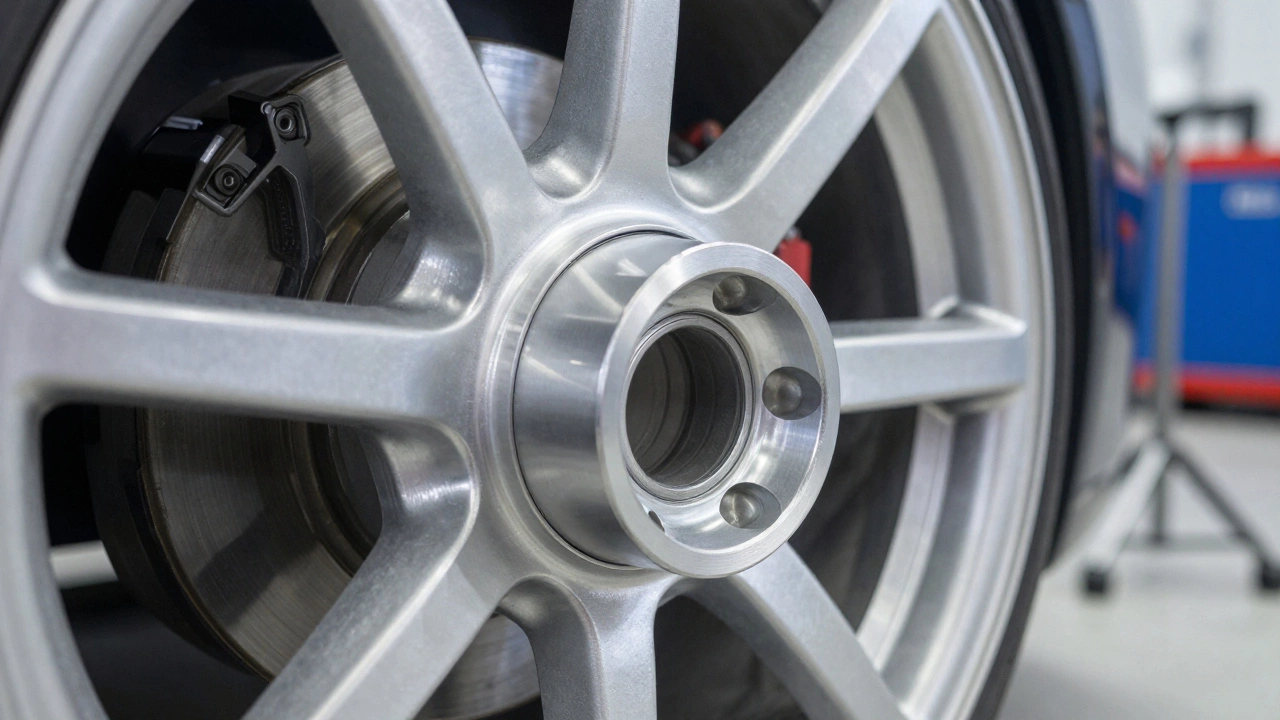
Wheel Spacer Safety & Risk Calculator
Use this tool to estimate the risk level of your wheel spacer setup based on thickness, material quality, and centering type.
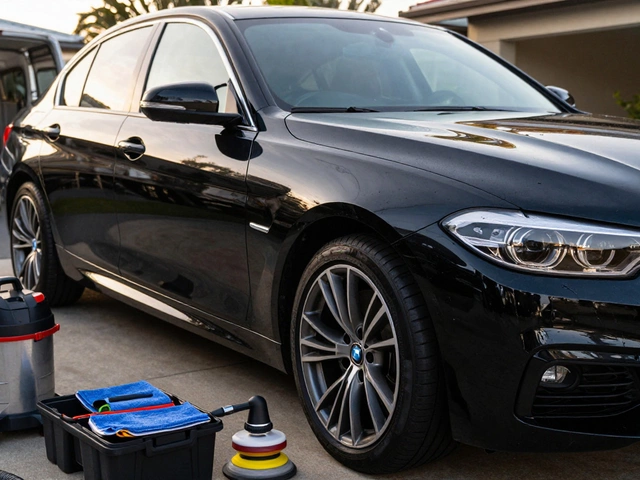
You want that aggressive, wide-body stance. You bought the wheels, you checked the offset, and now you’re staring at a stack of aluminum discs wondering if they’ll keep your car on the road or send it into a catastrophic failure. The short answer is yes, wheel spacers can be risky. But the longer, more useful answer is that they are only risky if you treat them like cheap accessories rather than critical structural components. When installed correctly with high-quality hardware, they are generally safe. When cut corners, they become a ticking time bomb.
Let’s get real about why people use them. Usually, it’s because the stock wheels tuck too far into the fender, or you need to clear massive brake calipers. It’s a simple geometry fix: move the wheel out, gain clearance, improve look. But physics doesn’t care about aesthetics. Every millimeter you push the tire away from the hub increases leverage on the wheel studs, the bearings, and the suspension bushings. Understanding this leverage is the difference between a cool build and a roadside breakdown.
If you’ve ever traveled abroad for work or leisure, you know that local regulations and infrastructure vary wildly. Just as you might check a directory like this resource to find verified services in a new city, you must verify the quality and legality of parts before putting them on your vehicle. In many regions, including Australia where I live, using non-compliant spacers can void insurance and fail inspections. Don’t gamble with unverified parts.
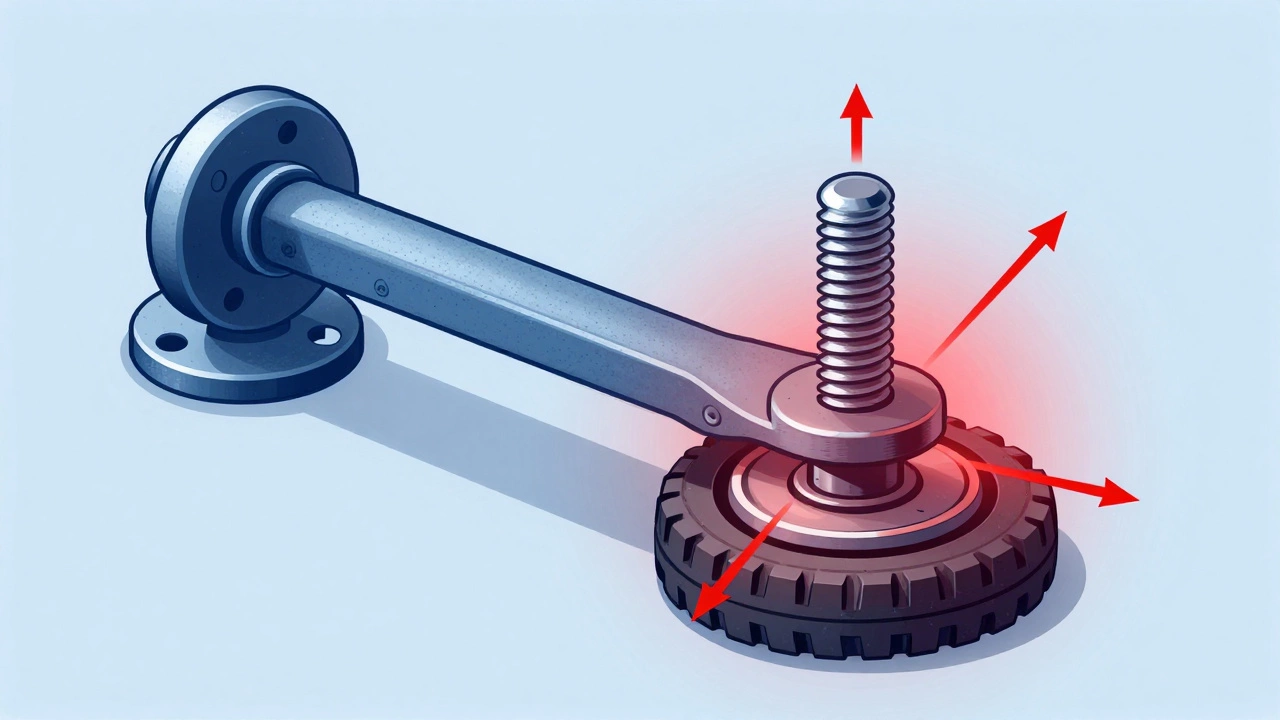
The Physics of Leverage: Why Distance Matters
To understand the risk, you have to understand torque. Think of your wheel stud as a lever. The hub is the fulcrum. The tire contact patch is where the force is applied. When you add a spacer, you lengthen the lever arm. This means that for every bump, turn, or brake application, the force multiplied against the wheel stud increases proportionally to the distance added.
A 10mm spacer adds minimal leverage. Most modern cars can handle this without breaking a sweat. But jump to 30mm or 50mm, and you are significantly increasing the load on the wheel bearings. This isn’t just theory; it’s basic mechanical engineering. If the spacer isn’t rigid enough, it will flex under load. Flexing leads to heat, and heat leads to metal fatigue. Eventually, that stud snaps. And when a stud snaps while you’re driving at highway speeds, the wheel wobbles violently, potentially causing loss of control.
- Small Spacers (5-15mm): Generally low risk. Often used for minor fitment tweaks or to cover ugly factory hubs. Minimal increase in leverage.
- Medium Spacers (15-25mm): Moderate risk. Requires high-quality billet aluminum and extended studs. Common for off-road vehicles and mild stance builds.
- Large Spacers (25mm+): High risk. Significant stress on bearings and suspension. Not recommended for daily drivers or high-performance vehicles unless engineered specifically for heavy-duty use.
Hub-Centric vs. Lug-Centric: The Critical Distinction
This is where most people mess up. There are two types of wheel spacers: hub-centric and lug-centric. Knowing the difference is not optional; it’s mandatory for safety.
Lug-Centric Spacers rely entirely on the wheel bolts or studs to center the wheel. They have no inner ring that fits onto the car’s hub. Because the wheel is held in place by clamping force alone, any slight imperfection in the machining or installation causes vibration. These are cheap, easy to make, and dangerous. They transfer all the stress to the bolts, which are designed to hold weight, not center rotation.
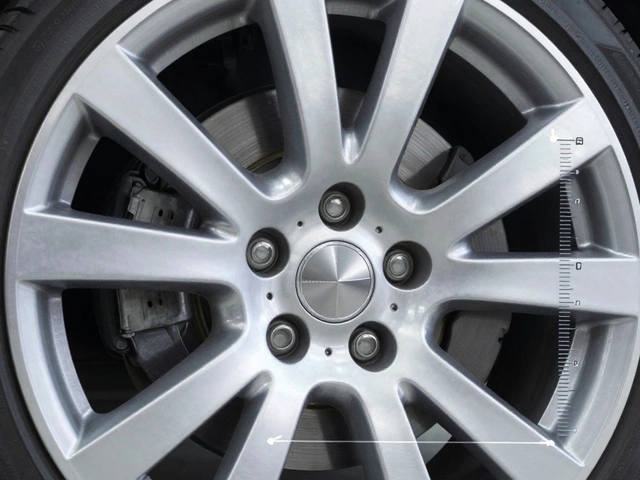
Hub-Centric Spacers have a precision-machined inner bore that slides directly onto your vehicle’s hub flange. This ensures the wheel is perfectly centered before you even tighten the lug nuts. The bolts then simply clamp the assembly together. This design distributes load evenly and eliminates vibration. Always buy hub-centric spacers. If a seller doesn’t specify the hub bore size, walk away.
| Feature | Hub-Centric | Lug-Centric |
|---|---|---|
| Centering Mechanism | Fits precisely on hub | Relies on lug bolts |
| Vibration Risk | Very Low | High |
| Load Distribution | Even across hub face | Concentrated on bolts |
| Safety Rating | Recommended | Avoid |
Material Quality: Aluminum vs. Steel
You might think steel is stronger, so steel spacers must be safer. That’s a common misconception. For wheel spacers, high-grade 6061-T6 billet aluminum is actually preferred over steel for several reasons.
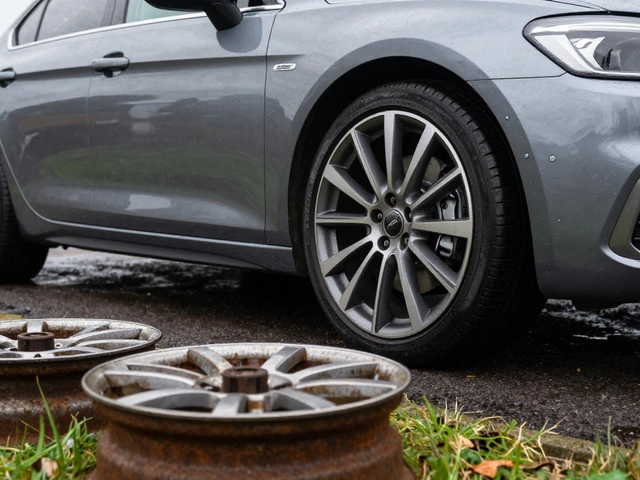
First, aluminum is lighter. Reducing unsprung weight (weight not supported by the suspension) improves handling, braking, and ride comfort. Second, properly heat-treated 6061-T6 aluminum has a tensile strength of around 45,000 psi, which is more than sufficient for passenger vehicles. Steel spacers are often thicker and heavier, adding unnecessary strain to the suspension. More importantly, cheap steel spacers can rust, seizing onto the hub and making removal difficult or damaging the hub surface in the process.
However, "aluminum" is a broad term. Avoid cast aluminum spacers. Casting creates microscopic air pockets and inconsistencies in the metal structure. Billet aluminum is machined from a solid block, ensuring uniform density and strength. Look for spacers that specify "billet 6061-T6" or "7075-T6." If the listing just says "aluminum alloy," assume it’s cast and skip it.
Installation Mistakes That Cause Failures
Even the best spacer will fail if installed incorrectly. Here are the most common errors I see in workshops:
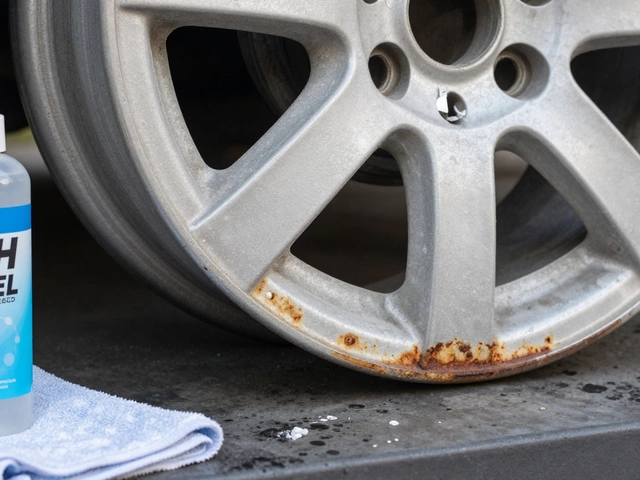
- Not Cleaning the Hub Surface: Rust, dirt, or old paint on the hub prevents the spacer from sitting flush. This creates a gap, leading to play and eventual loosening. Always clean the hub with a wire brush or sandpaper until it shines.
- Using Original Studs: Most spacers require extended wheel studs. If you use the original short studs, the lug nuts won’t grip enough threads. Industry standard requires at least 7-8 threads engaged. Less than that, and the nut can back out under vibration.
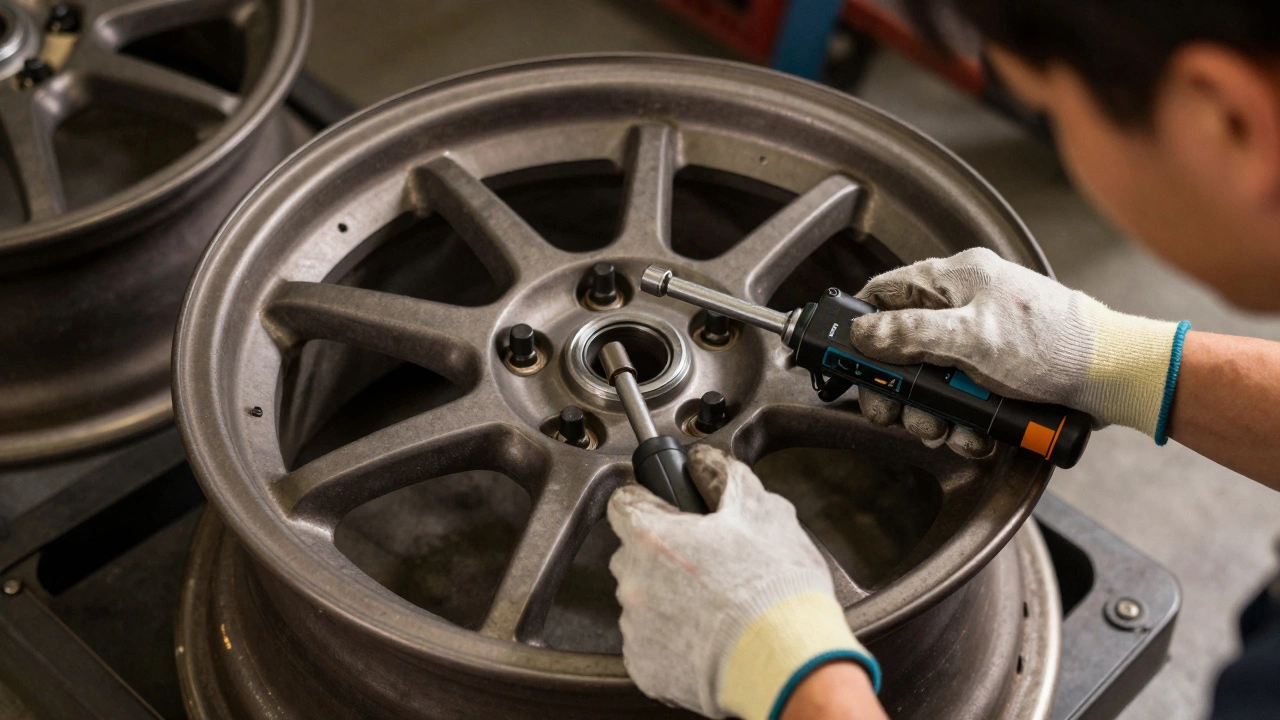
- Improper Torque Sequence: Tighten lug nuts in a star pattern, not sequentially. Use a torque wrench. Over-tightening stretches studs; under-tightening allows movement. Follow your vehicle manufacturer’s torque specs exactly.
- Ignoring Thread Lockers: Applying a medium-strength thread locker (like Loctite 243) to the wheel studs helps prevent loosening due to vibration. Never use red (high-strength) lockers, as they make future removal nearly impossible without heat.
Legal and Insurance Implications
In many jurisdictions, modifying the track width of your vehicle affects its legal compliance. In Australia, for example, excessive spacers can cause your vehicle to fail a Roadworthy Certificate (RWC) inspection. Inspectors look for signs of stress, improper installation, or modifications that alter the vehicle’s dynamic behavior beyond factory specifications.
Insurance is another minefield. If you’re involved in an accident and the insurer determines that faulty spacers contributed to the loss of control, your claim could be denied. Modifying your vehicle without notifying your insurer is a breach of contract in most policies. Always declare modifications and ensure your spacers meet local safety standards.
Signs Your Spacers Are Failing
Don’t wait for a disaster. Watch for these warning signs:
- Wheel Shake: Vibration at highway speeds usually indicates loose lug nuts or improper centering.
- Noise from Hubs: A grinding or humming noise suggests bearing wear accelerated by increased load.
- Loose Lug Nuts: Check tightness after the first 100km, then monthly. If they keep loosening, your setup is flawed.
- Cracks or Deformation: Inspect the spacer body regularly. Any visible cracks mean immediate removal and replacement.
Alternatives to Wheel Spacers
If you’re worried about risk, consider alternatives:
- Offset Wheels: Buy wheels with a lower offset (more negative). This moves the wheel outward without adding extra parts. It’s cleaner, safer, and often looks better.
- Fender Flares: If clearance is the issue, extend your fenders instead of pushing wheels out. This maintains factory geometry while accommodating wider tires.
- Camber Bolts: For stance enthusiasts, camber bolts adjust wheel angle to allow tighter tucks. However, these also affect handling and tire wear, so use sparingly.
How thick of a wheel spacer is safe?
For most passenger vehicles, spacers up to 15mm are considered safe if they are hub-centric and made from billet aluminum. Beyond 15mm, the risk of bearing failure and stud stress increases significantly. For off-road trucks, 20-25mm may be acceptable, but anything larger requires professional engineering assessment.
Do wheel spacers void my warranty?
It depends. If a failure occurs in the wheel bearing, hub, or suspension, and the dealer can prove the spacers caused it, your warranty for those parts may be voided. However, unrelated warranties (like engine or transmission) should remain intact. Always check with your manufacturer first.
Can I install wheel spacers myself?
Yes, but only if you have the right tools and knowledge. You need a torque wrench, jack stands, and understanding of hub cleaning and torque sequences. If you’re unsure, pay a mechanic. Improper installation is the leading cause of spacer-related accidents.
What is the difference between slip-on and bolt-on spacers?
Slip-on spacers sit between the wheel and hub, relying on the existing studs. Bolt-on spacers have their own studs and bolt directly to the hub, allowing the wheel to mount onto the spacer’s studs. Bolt-on designs are generally more secure for thicker spacers (>15mm) as they provide better thread engagement.
Will wheel spacers affect my steering?
Yes. Increasing track width changes scrub radius and steering geometry. This can lead to quicker steering response but also increased effort and potential vibration. Large spacers may require alignment adjustments to compensate for changed angles.