Custom Exhaust Selector & Cost Estimator
Find the right exhaust system for your vehicle and estimate total project costs based on your driving goals.
Your Vehicle & Goals
Enter your preferences and click "Analyze" to see recommendations.
You’re standing in the garage, staring at your stock exhaust pipe. It’s dull, it rattles when you accelerate hard, and frankly, it sounds like a lawnmower trying to start on a cold morning. You want that deep rumble or maybe that aggressive growl, but walking into an auto shop can feel like navigating a minefield of jargon. Do you need headers? Is cat-back overkill? Will this thing get you fined by the local council?
Choosing a custom exhaust isn’t just about picking the loudest option. It’s about matching hardware to your driving style, budget, and legal limits. Here is how you cut through the noise and pick the right system for your ride.
Know Your Exhaust System Anatomy
Before you spend a single dollar, you need to know what you are actually buying. Most people say "exhaust" when they mean the whole chain from engine to tailpipe. But these parts do different jobs.
The system starts with the Headers (or manifolds), which collect exhaust gases from the engine cylinders. If you swap these, you are looking at serious horsepower gains, but also higher labor costs because you might need to remove other engine components to get them out. Next comes the Catalytic Converter. This is the emissions control device. Removing it makes noise louder and flow freer, but in most places, including Australia, removing it without replacing it with a high-flow unit is illegal and will fail inspection.
Then there is the mid-pipe, which connects the front to the back, and finally, the Muffler and Resonator. These two are the sound engineers of your car. The resonator kills specific frequencies (that annoying drone inside the cabin), while the muffler reduces overall volume. Understanding this helps you decide if you need a full system replacement or just a rear section upgrade.
Decide Your Goal: Sound vs. Performance
Be honest with yourself. Are you chasing horsepower, or are you chasing attention? Because sometimes, you can’t have both without spending big money.
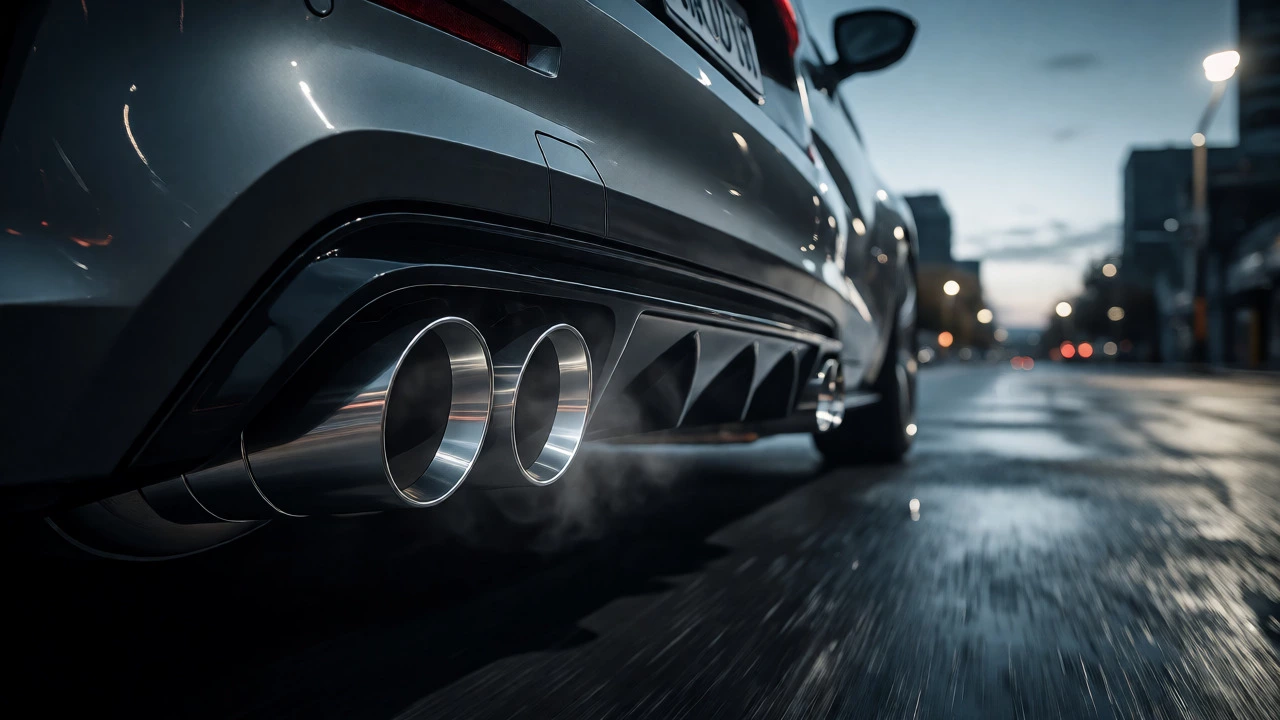
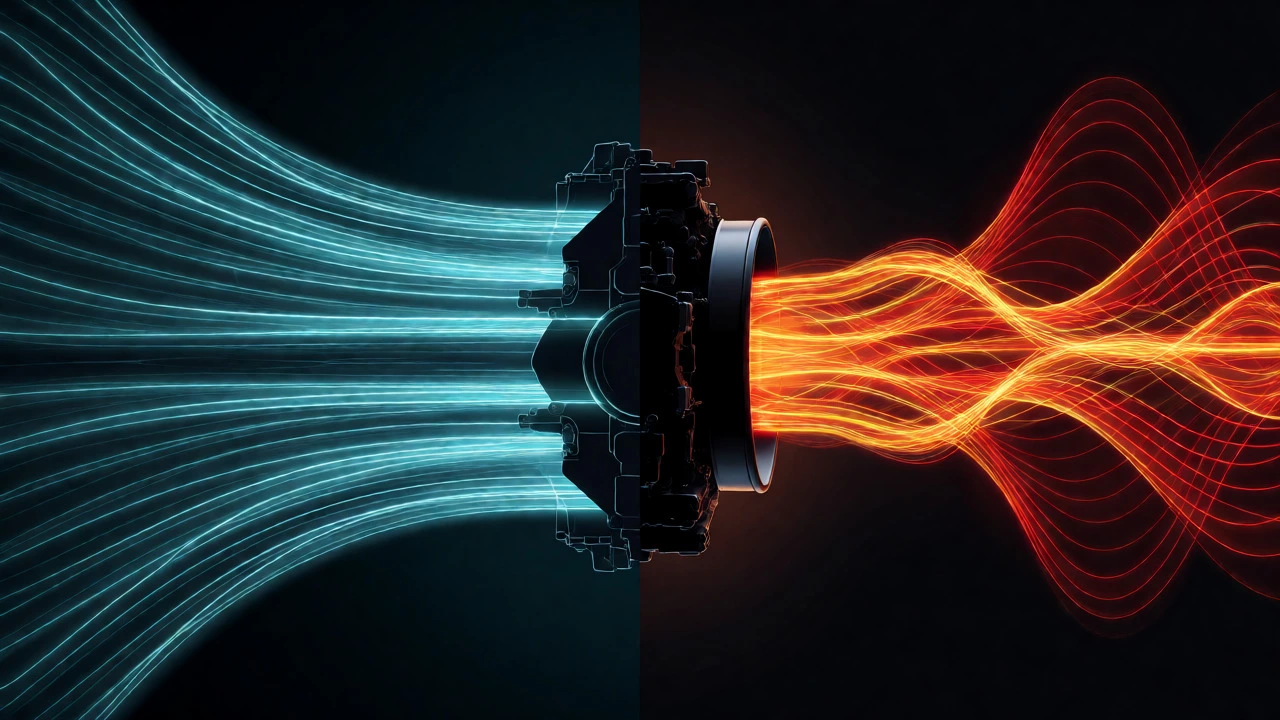
If you want pure performance, look for systems designed for flow efficiency. These use larger diameter pipes and straight-through designs. They reduce backpressure, allowing the engine to breathe easier. However, straight-through mufflers often sound raspy or hollow rather than deep and rich. You might get 5-10 extra horsepower on a naturally aspirated engine, but your neighbors might hate you.
If you want sound, you prioritize the tone. A good custom exhaust should sound muscular at idle and scream at redline. Avoid cheap "universal" kits if you care about tone. They tend to sound tinny. Look for brands that tune their chambers specifically for your engine type (V6, V8, Inline-4). For example, a turbocharged four-cylinder needs different tuning than a naturally aspirated V8 to avoid that vacuum cleaner sound.
| Upgrade Type | Cost Range (AUD) | Performance Gain | Sound Change | Installation Difficulty |
|---|---|---|---|---|
| Cat-Back System | $800 - $2,500 | Low to Moderate | Significant | Moderate (Bolt-on) |
| Axle-Back System | $300 - $900 | Negligible | Moderate | Easy (DIY friendly) |
| Header Back | $1,500 - $4,000+ | Moderate to High | Aggressive | Hard (Professional) |
| Turbo-Back | $1,200 - $3,500 | High (with tune) | Deep Rumble | Moderate |
Material Matters: Stainless Steel vs. Aluminized
This is where budgets diverge sharply. You will see quotes ranging from $400 to $4,000. Why? Material quality.
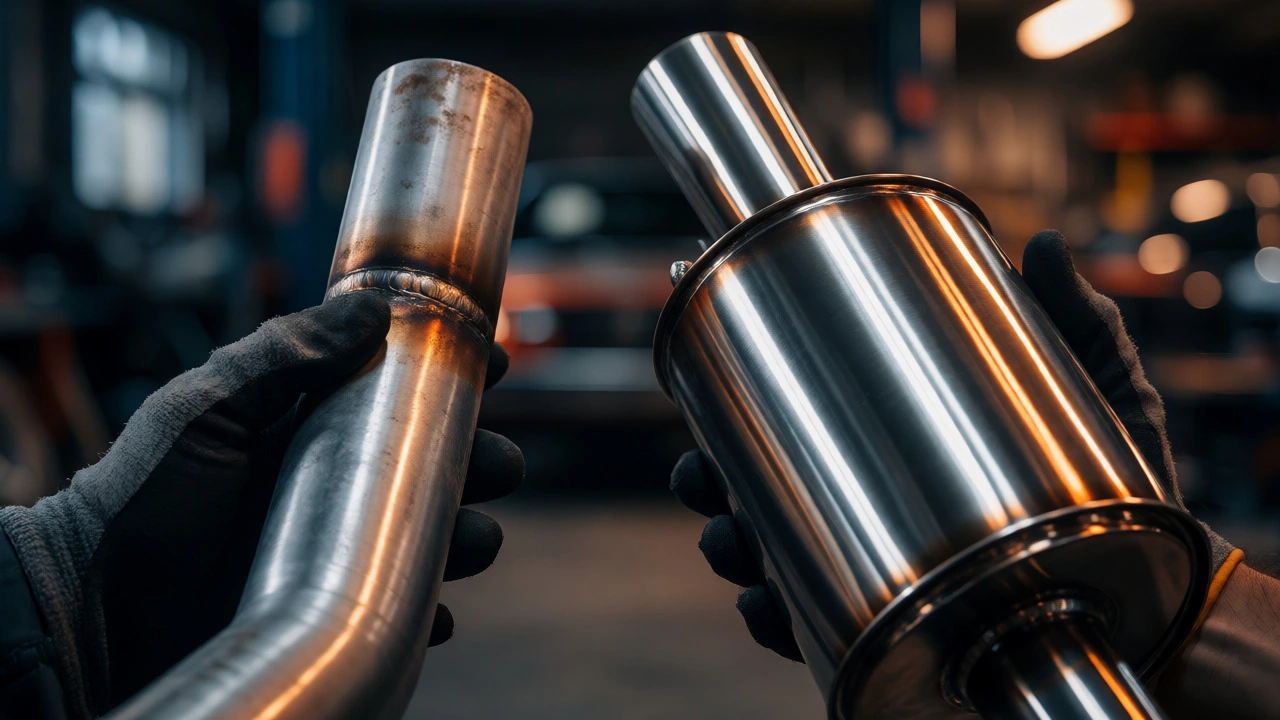
Cheap exhausts use aluminized steel. It’s coated to resist rust, but once that coating scratches-which happens during installation or from road debris-it rusts fast. In coastal areas like Brisbane, salt air eats aluminized steel alive within 2-3 years. You’ll see holes forming near the welds first.
Stainless steel is the gold standard. Specifically, look for T304 Stainless Steel. It contains nickel, which resists corrosion far better than cheaper grades like T409. T304 won’t rust easily, even if you drive through puddles daily. It looks polished longer and holds its value if you ever sell the car. Yes, it costs more upfront-often double-but if you plan to keep the car for five years, it’s the only logical choice. Don’t let a salesperson tell you "stainless" is all the same. Ask for the grade. If they hesitate, walk away.
Legal Compliance and Noise Regulations
There is nothing worse than installing a beautiful exhaust only to have a police officer wave you down. Or worse, getting a defect notice during registration renewal.
In Australia, regulations vary by state, but generally, modifications must not increase noise beyond a reasonable limit compared to the original equipment. Some states have strict decibel caps. For instance, Queensland requires that modified vehicles pass a noise check if the modification alters the emission system significantly. A loud exhaust isn’t just annoying; it’s a liability.
Check for compliance stickers. Reputable manufacturers provide certificates stating the exhaust meets Australian Design Rules (ADR) for emissions and noise. If a system lacks this documentation, you risk failing inspection. Also, consider your community. Driving a screaming exhaust through residential streets at 6 AM earns you bad karma faster than you think. Sometimes, adding a Quiet Tip or a secondary resonator is worth the extra $100 to keep your peace-and your license.
Fitment and Installation Realities
Universal exhausts are rarely universal. They require cutting, welding, and measuring. Unless you are skilled with a torch and grinder, avoid them. They often lead to leaks, misaligned tips, and hours of frustration.
Opt for vehicle-specific kits. These come with pre-bent pipes that match your chassis contours exactly. They bolt onto existing hangers and clamps. This ensures proper clearance from the fuel tank, suspension components, and heat shields. Poor fitment causes vibrations. If the exhaust touches the subframe, you’ll hear a metallic rattle every time you hit a bump. That sound drives people crazy.
Also, think about ground clearance. If you lower your car, a standard exhaust might scrape on speed bumps. Look for low-profile designs or systems designed for lowered cars. And don’t forget the tailpipes. Do you want dual exits, quad tips, or a single large oval? This is purely aesthetic, but it defines the rear stance of your car. Measure your bumper cutouts before ordering. There is no shame in calling the manufacturer to confirm tip dimensions fit your bumper.
Budgeting Beyond the Pipe Price
The sticker price on the box is not the final cost. Factor in installation labor. If you buy online, you still need a shop to install it. Expect to pay $150-$300 for professional fitting, depending on complexity. If you choose a header-back system, labor costs jump significantly because of the disassembly required.
Do you need a tune? On modern turbocharged cars, changing the exhaust flow can confuse the ECU (Engine Control Unit). While many cat-back systems run fine without a tune, going for headers or removing cats usually requires an ECU Remap to optimize fuel delivery. Skipping the tune can result in poor throttle response or check engine lights. Budget an extra $300-$600 for tuning if you go beyond a simple cat-back.
Finally, consider resale value. A well-known brand like Borla, Magnaflow, or local premium builders adds value. A no-name generic system might scare off buyers who worry about hidden rust or poor fitment. Buy quality, install correctly, and enjoy the drive.
Does a custom exhaust really add horsepower?
On naturally aspirated engines, gains are minimal, typically 3-7% at the wheels. On turbocharged engines, especially if paired with a tune, gains can be significant, up to 15-20%, because the turbo spins faster with less restriction. Always manage expectations based on your engine type.
Will a loud exhaust void my warranty?
Not automatically. Under Australian Consumer Law, a modification only voids warranty claims related directly to that modification. If your exhaust fails, the dealer denies that claim. If your transmission fails, they cannot deny the warranty just because you have an aftermarket exhaust, unless they prove the exhaust caused the failure.
What is the difference between a resonator and a muffler?
A resonator cancels out specific annoying frequencies (drone) using Helmholtz principles, keeping the sound pleasant. A muffler reduces overall volume by reflecting and absorbing sound waves. Many high-quality systems use both to achieve a deep tone without excessive volume.
Can I install a custom exhaust myself?
If it is a vehicle-specific cat-back system with clamp connections, yes, provided you have basic tools, jack stands, and patience. If it involves welding or removing catalytic converters, hire a professional. Improper installation leads to leaks and rattles.
Which stainless steel grade is best for exhausts?
T304 stainless steel is the best balance of cost and durability for street cars. It resists rust effectively. T316 is more expensive and used in marine applications, often unnecessary for standard driving. Avoid T409 if you live in a wet or salty climate.