Car Interior Styling Planner
Select the upgrades you plan to install to calculate your total estimated cost and overall project complexity.
Project Summary
You know that feeling when you slide into a friend's car and immediately think, "Wow, this place feels expensive?" It’s not always about the price tag on the sticker. Often, it’s about how the owner treated the cabin. You don’t need to gut your vehicle or spend thousands at a custom shop to get that effect. Most of us drive around in cars that feel like they came straight off the factory floor-functional, sure, but a bit sterile. The good news is that interior car styling is one of the easiest ways to transform your daily driver without breaking the bank.
Think of your car’s interior as an extension of your living room, just with more buttons and less space for snacks. If you want it to look cool, you have to move beyond the default settings. Whether you drive a ten-year-old sedan or a brand-new hatchback, small tweaks can yield massive visual upgrades. We’re talking about changes you can do yourself over a weekend, using parts you can order online or pick up at a local auto store in Brisbane. Let’s break down exactly what works, what looks cheap, and how to avoid common mistakes that make DIY jobs look obvious.
Start With Deep Cleaning and De-Cluttering
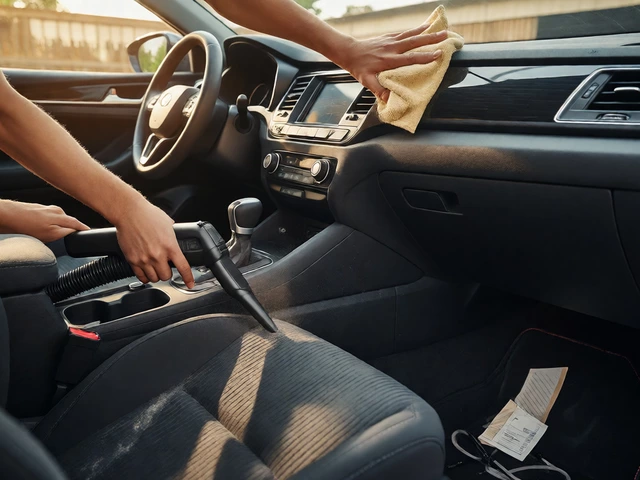
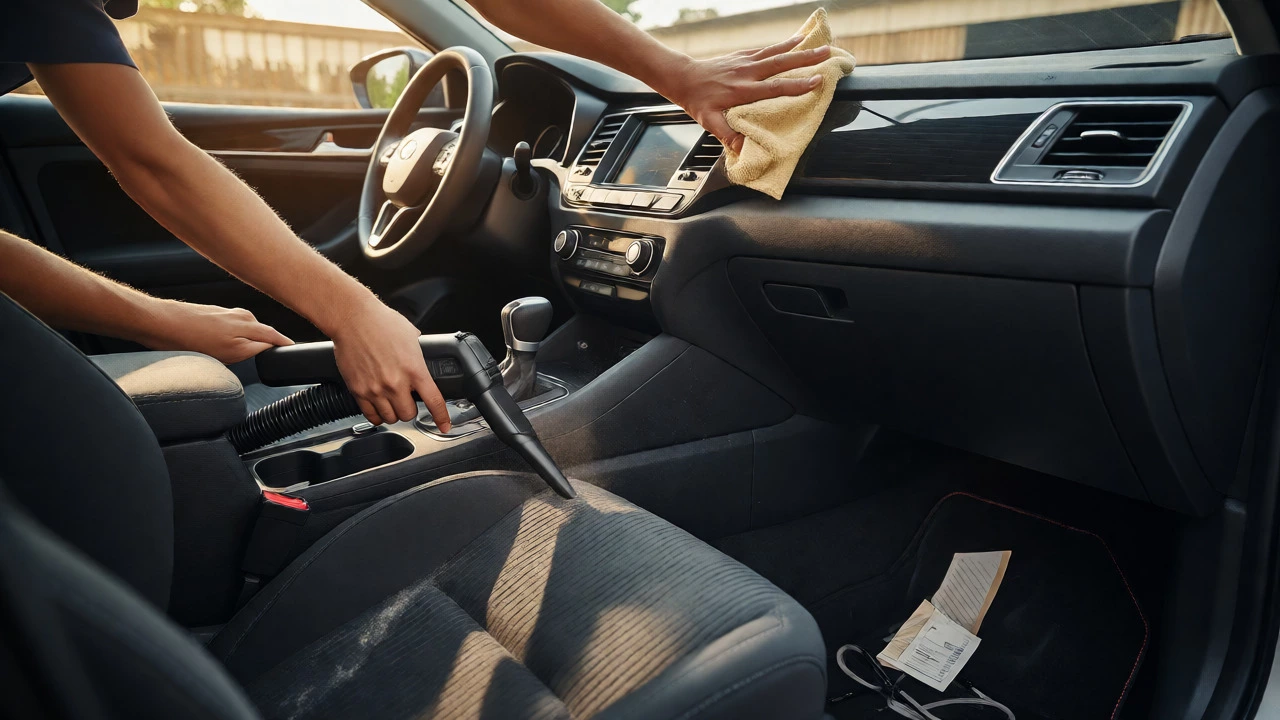
Before you buy a single accessory, you need to clean what you already have. This sounds basic, but it’s the step most people skip. A dusty dashboard with a new steering wheel cover still looks dirty. Start by removing everything from the cabin. I’m talking about old receipts, empty coffee cups, charging cables tangled under the seats, and those weird plastic clips holding air fresheners. Get rid of them.
Next, vacuum thoroughly. Use a crevice tool for the gaps between seats and the center console. Pay attention to the footwells; dirt there reflects light upward onto your seats, making them look grayer than they are. For hard surfaces, use a dedicated interior cleaner rather than generic all-purpose sprays, which can leave a greasy shine that attracts dust faster. If you have fabric seats, consider a steam cleaner rental if they’re stained. If you have leather, condition it. Cracked or faded leather drags down the perceived value of the entire car instantly.
Once it’s clean, assess the damage. Are there scratches on the infotainment screen? Is the gear knob worn smooth? These details matter. A clean canvas is the first rule of styling. If you can’t keep it tidy, no amount of aftermarket bling will save you.
Upgrade Your Seat Covers Strategically
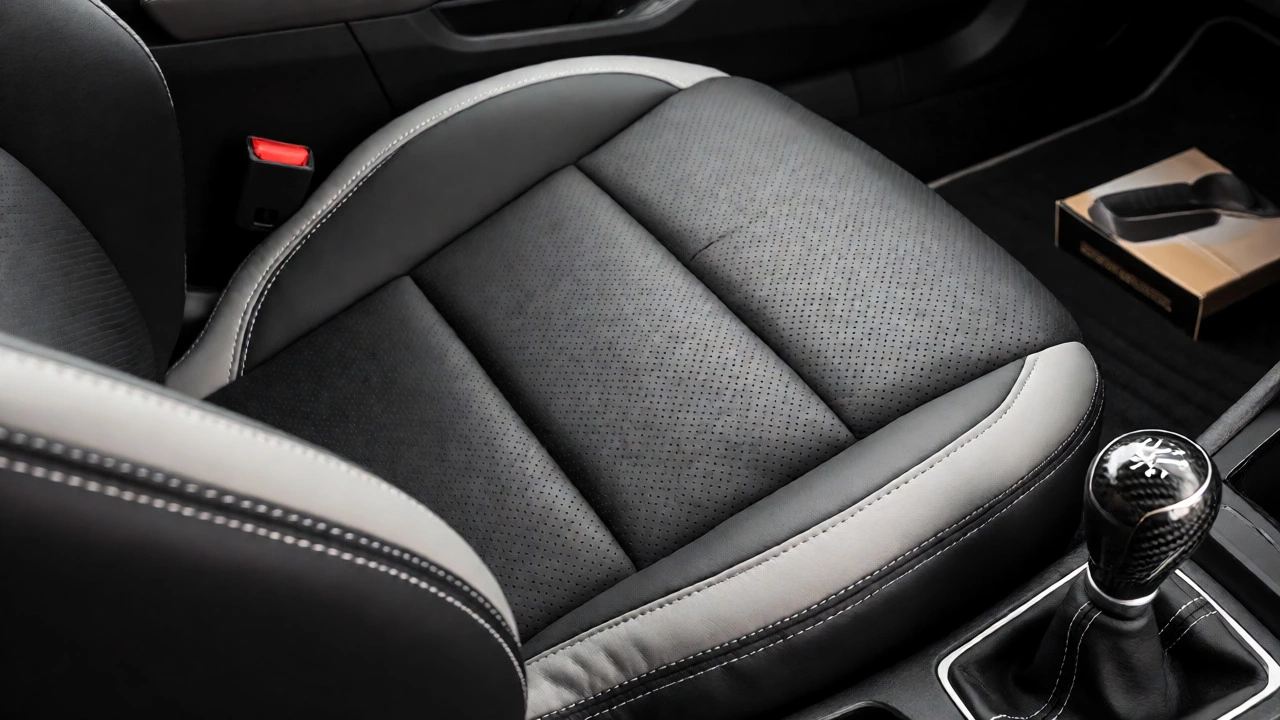
Sets of seat covers are protective or decorative fabric layers fitted over existing car seats are the biggest visual change you can make for under $200. But here’s where people go wrong: they buy universal fits that bunch up at the headrests or sag in the middle. That screams "budget." Instead, look for custom-fit options designed specifically for your car model. Brands like Covercraft or local Australian suppliers offer patterns tailored to specific makes and models.
Material choice dictates the vibe. Leatherette (synthetic leather) gives a sporty, premium look and is easy to wipe down. Canvas or heavy-duty cotton offers a rugged, off-road aesthetic that suits SUVs and utes perfectly. Avoid shiny vinyl unless you’re going for a very specific retro look; it tends to peel and crack after two summers in the Australian heat. Also, check the side-airbag compatibility. Many modern cars have airbags built into the seat bolsters. Using non-compatible covers can block deployment, which is a safety risk, not just a style fail.
- Premium Feel: Choose microfiber suede or perforated faux leather.
- Durability: Opt for heavy-canvas or ballistic nylon for family haulers.
- Cool Factor: Two-tone designs with contrast stitching add depth.
Refresh the Steering Wheel and Gear Knob
Your hands touch these parts more than any other surface in the car. Over time, factory plastic becomes slick and ugly. Replacing the steering wheel is the primary control interface of a vehicle used for directional guidance or adding a high-quality cover can drastically improve tactile feedback and appearance. A genuine leather-wrapped steering wheel kit costs around $50-$80 and takes about an hour to install if you’re patient. The result? It feels thicker, grippier, and far more luxurious.
The same logic applies to the gear shift knob. Factory knobs are often plain black plastic. Swapping in a weighted metal knob, a carbon-fiber finish, or even a wood-accented one adds weight and presence to every gear change. Just ensure the thread size matches your shifter. Common sizes are M10x1.25 or M12x1.5, but some Japanese cars use proprietary collars. Measure before you buy.
Add Ambient Lighting for Nighttime Appeal
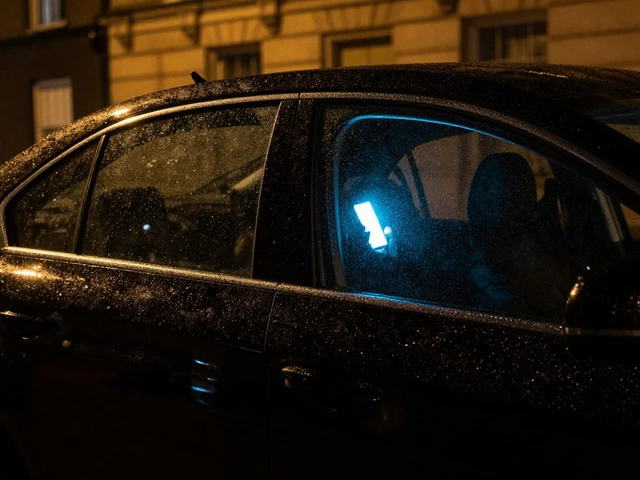
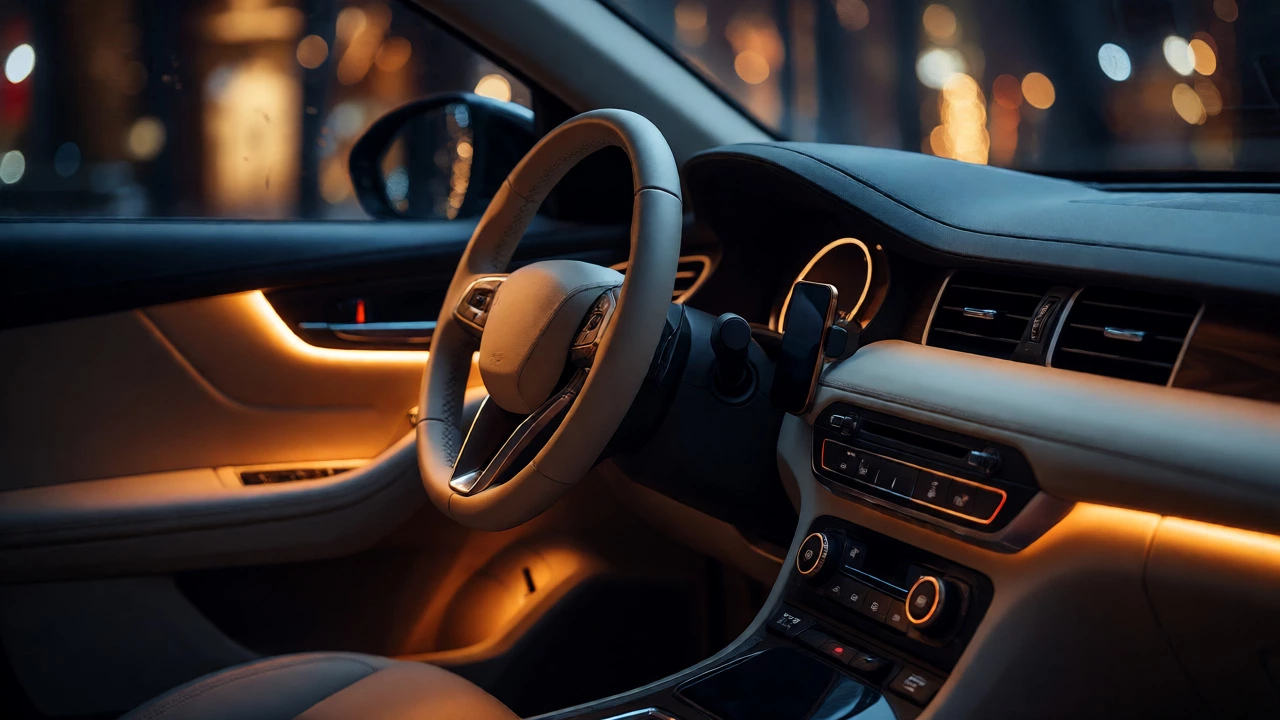
Daylight hides a multitude of sins, but night reveals them. This is where ambient lighting is decorative illumination installed within a vehicle's cabin to enhance atmosphere shines. Modern cars come with LED strips under the dash and in door pockets. You can retrofit older cars easily with USB-powered LED kits.
Don’t just stick random RGB strips everywhere. Less is more. Soft white or warm amber lights under the dashboard create a lounge-like atmosphere. Blue or purple can look gimmicky if too bright. Hide the controller box somewhere discreet, like behind the glovebox. Wire management is key-if you see wires dangling near the pedals, the illusion breaks. Use adhesive-backed channels to route cables along existing trim lines. When done right, ambient lighting makes the cabin feel wider and more sophisticated after dark.
Replace Floor Mats with High-Quality Options
Floor mats are the foundation of your interior’s visual hierarchy. Cheap rubber mats slide around and collect mud in visible piles. Invest in full-carpet mats with a rubber backing. They stay put and look integrated. If you live in a rainy area like Brisbane, consider all-weather rubber mats with raised edges to contain spills. Pair them with a trunk liner that matches the color scheme.
Color coordination matters here. If your seats are grey, don’t use bright red mats unless you want a racing theme. Neutral tones like charcoal, beige, or black blend seamlessly and make the space feel larger. Custom-cut mats fit edge-to-edge, eliminating the gap where crumbs usually hide. This small detail signals care and attention to the observer.
Personalize with Functional Accessories
Accessories should serve a purpose. Random trinkets clutter the view. Instead, choose items that solve problems while looking sharp. A magnetic phone mount keeps your device accessible without sticking to the dash. A sleek wireless charger integrates into the console. A quality dash cam doesn’t just record accidents; modern units look like part of the mirror assembly.
Avoid bulky air fresheners hanging from the rearview mirror. They obstruct vision and look dated. Use vent clips with subtle scents instead. If you carry groceries or gym gear, install a cargo net or organizer in the boot. A tidy boot implies a tidy mind-and a well-maintained car.
| Upgrade Type | Estimated Cost (AUD) | Visual Impact | Installation Difficulty |
|---|---|---|---|
| Deep Clean & Detail | $0 - $50 | High | Easy |
| Custom Seat Covers | $150 - $400 | Very High | Moderate |
| Ambient LED Kit | $30 - $80 | Medium (Night Only) | Hard (Wiring) |
| Steering Wheel Wrap | $50 - $100 | High (Tactile) | Hard (Sewing) |
| Premium Floor Mats | $80 - $150 | Medium | Easy |
Common Mistakes to Avoid
We’ve all seen cars ruined by bad choices. Here’s how to dodge them. First, avoid matching everything. If you have black seats, don’t add black steering wheel, black mats, black dash trim, and black phone holder. Add one accent color, like silver stitching or a chrome pedal set, to break the monotony.
Second, beware of "bling." Chrome pedal sets look great in photos but can be slippery in wet shoes. Carbon fiber stickers on the dashboard often peel at the edges within months, revealing cheap adhesive residue. Real carbon fiber wraps are better but cost more. Third, ignore the smell. Smoke, dampness, or pet odors kill the vibe faster than any stain. Use activated charcoal bags under seats to absorb odors naturally.
Finally, respect the warranty. If you’re leasing a car, modifications like cutting wiring for LEDs might affect resale value or lease return conditions. Check your contract. Sometimes, removable solutions like clip-on trim pieces are safer bets than permanent adhesives.
Final Thoughts on Cohesion
Making your car look cool inside isn’t about buying the most expensive parts. It’s about cohesion. Every element should work together to create a unified environment. Cleanliness is the baseline. Quality materials elevate the touch points. Smart lighting sets the mood. Personal touches make it yours.
Start small. Do the deep clean this weekend. Order the seat covers next week. Install the mats when they arrive. Tackle the steering wheel wrap when you have a free afternoon. Each step builds momentum. Before long, you’ll wonder why you ever settled for the factory default. Your car is your sanctuary on wheels-make it worth sitting in.
Do seat covers void my car warranty?
Generally, no. Seat covers themselves do not void the warranty. However, if you install them incorrectly and damage the seat frame or interfere with side airbag deployment during an accident, the manufacturer may deny claims related to that specific component. Always use airbag-compatible covers.
Is it safe to install LED lights myself?
Yes, provided you use low-voltage USB or 12V DC lights. Avoid splicing directly into sensitive electronic circuits unless you know what you're doing. Using a fuse tap or cigarette lighter adapter is the safest method for beginners to prevent electrical shorts.
What is the best material for hot climates?
In hot places like Australia, breathable fabrics are crucial. Perforated faux leather, mesh, or light-colored canvas reflect heat better than solid black vinyl or dark leather, which can become uncomfortably hot after parking in the sun.
How much does professional interior detailing cost?
In Brisbane, a full interior detail typically ranges from $150 to $300 depending on the vehicle size and level of soiling. This includes shampooing carpets, conditioning leather, and cleaning vents. It’s a worthwhile investment before selling or renting out the car.
Can I wash custom seat covers?
Most custom covers are machine washable on a gentle cycle, but always check the care label. Air drying is recommended to prevent shrinkage or distortion of the fit. Never tumble dry synthetic blends as high heat can melt fibers or warp the shape.