Wheel Spacers vs Offset Wheels: Which is Better for Your Car?
Wheel Fitment Advisor
mm
How many millimeters do you want the wheel to move outward?
Our Recommendation:
Enter your desired poke and priority to see the recommended fitment method.
Most people start looking for a way to push their wheels out for a more aggressive look or to clear some chunky brake calipers. You've probably seen those metal discs called spacers and thought, "That's the easy fix." But before you bolt them on, you should know that simply adding a gap between your hub and your wheel is often the least stable way to change your car's stance. There are better ways to get that wider track and flush fitment without compromising how your car handles or risking a sheared bolt on the highway.
Quick Wins for Better Wheel Fitment
Aftermarket Wheels: The gold standard. You change the actual geometry of the wheel rather than adding a part.
Hub-Centric Spacers: If you must use spacers, these support the wheel's center, not just the bolts.
Lowering Springs/Coilovers: Sometimes the "tucked" look isn't caused by the wheels, but by a ride height that's too high.
The Real Problem with Cheap Spacers
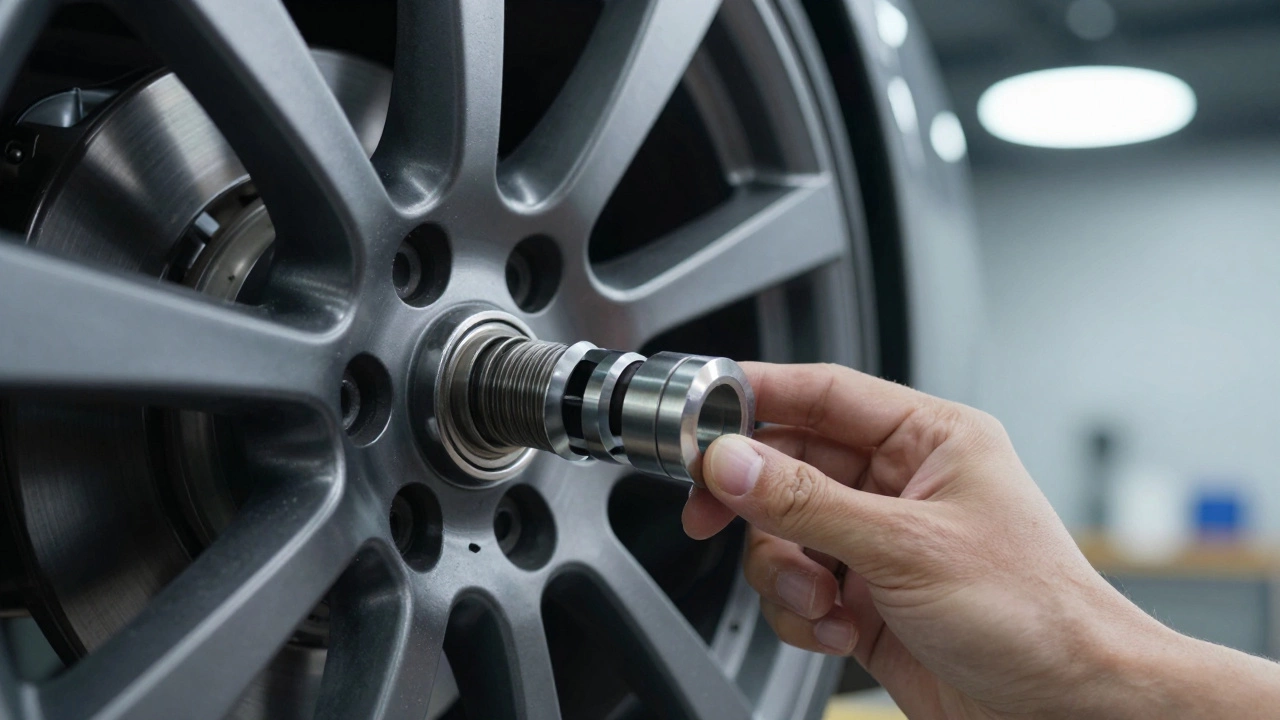
When you use a basic slip-on spacer, you're essentially creating a lever. Wheel Spacers are
adapters that increase the distance between the wheel hub and the mounting surface of the wheel.
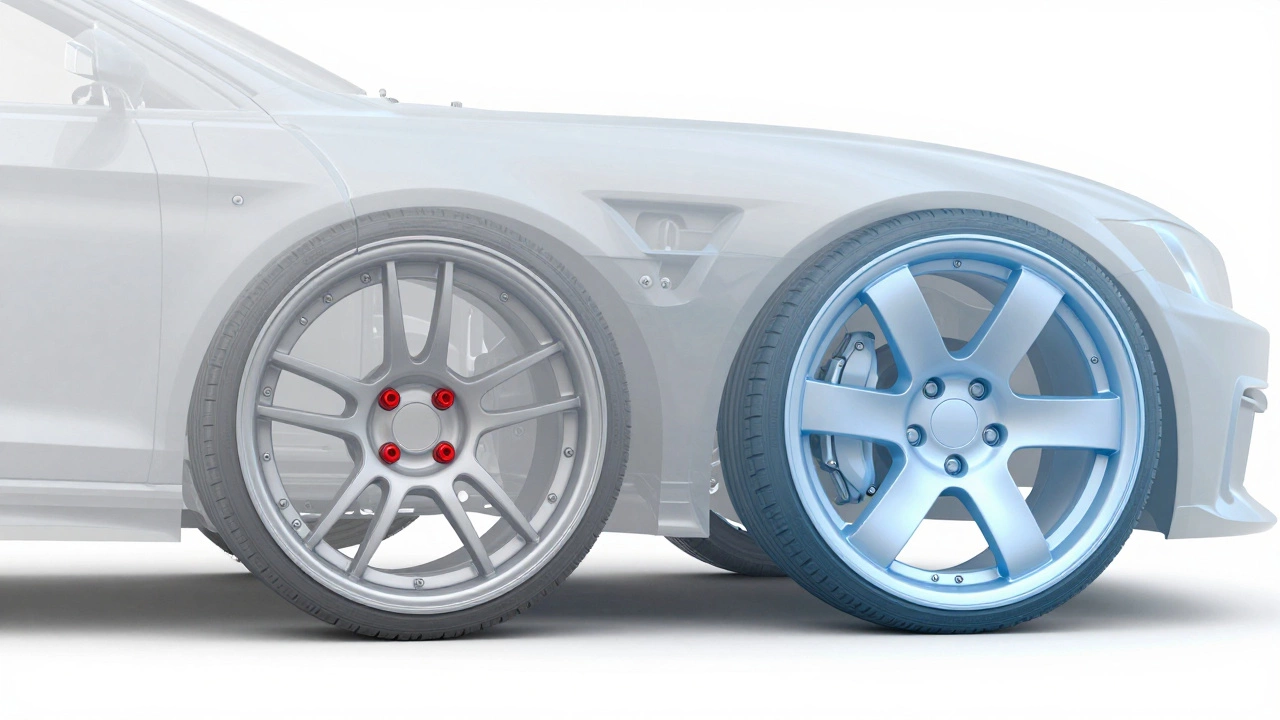
While they look harmless, a non-hub-centric spacer leaves a gap in the middle. This means all the weight of your car and the force of every turn is resting entirely on the Wheel Studsthe threaded fasteners that hold the wheel to the hub. These studs aren't designed to take that kind of shear force. If you're carving corners or hitting a pothole at 60 mph, you're putting immense stress on a few small pieces of steel.
Then there's the vibration. If the wheel isn't perfectly centered on the hub, you'll feel a shimmy in the steering wheel that no amount of balancing can fix. This is why simply "spacing out" your wheels is often a shortcut that leads to a shaky ride and potential mechanical failure.
The Superior Alternative: Aftermarket Wheels with Low Offset
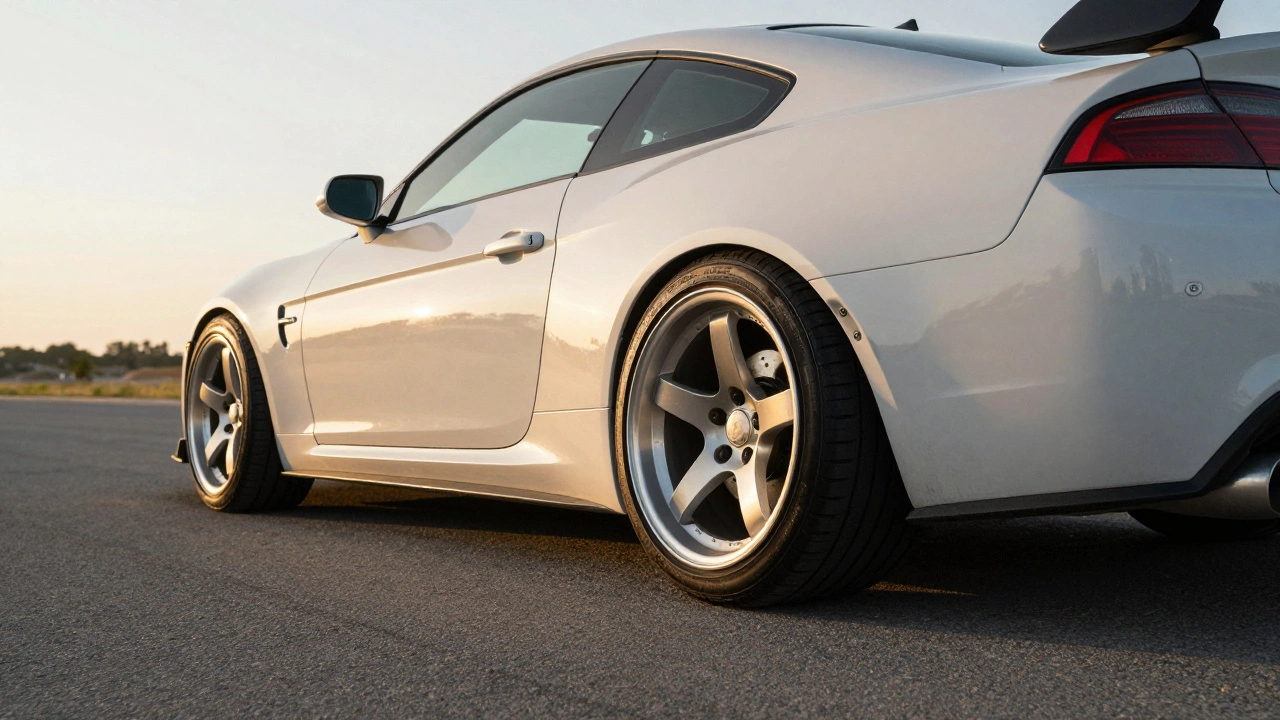
If you want your wheels to sit flush with the fender, the professional move is to buy wheels with a different Offset
the distance from the mounting surface to the centerline of the wheel. Instead of adding a spacer to an OEM wheel, you buy a wheel that is designed from the factory to sit further out.
Think of it this way: a spacer is like putting a shim under a table leg to stop it from wobbling. Changing the offset is like buying a table with the correct leg length. It's a permanent, integrated solution. When you use a wheel with a lower offset (moving toward zero or going negative), the wheel's centerline moves inward, pushing the outer rim further toward the edge of the car's body. This gives you the wide stance you want without adding extra layers of hardware or compromising the structural integrity of your hub assembly.
Comparing Spacers vs. Offset Wheels
Feature
Wheel Spacers
Low Offset Wheels
Stability
Lower (risk of stud stress)
Highest (integrated design)
Vibration Risk
High (if not hub-centric)
Low (perfectly centered)
Installation
Fast and cheap
Requires full wheel swap
Aesthetics
Can look "gappy"
Clean, professional flush look
Understanding the Hub-Centric Difference
If you're in a spot where you can't afford a new set of rims right now, you need to avoid "lug-centric" spacers. You want Hub-Centric Spacersspacers that feature a center lip that fits snugly over the vehicle's hub. These are significantly better because they transfer the load from the hub to the wheel, just like the original setup did.
A hub-centric setup ensures that the wheel remains perfectly concentric. If you use a 15mm spacer that isn't hub-centric, you're basically hoping the lugs hold everything in place. That's a gamble you don't want to take. High-quality hub-centric spacers often come with extended Lug Boltsfasteners that provide the necessary thread engagement through the spacer and wheel to ensure the wheel doesn't back off during a drive.
How This Affects Your Handling and Tires
Pushing your wheels out isn't just about looks; it changes how your car interacts with the road. By widening the track, you're technically increasing the stability of the car in a straight line and during gentle turns. However, there's a trade-off. A wider track increases the Scrub Radiusthe distance between the steering axis and the center of the tire's contact patch.
When you increase the scrub radius too much, you'll notice the steering feels heavier. You might also experience "tramlining," where the car wants to follow the grooves and ruts in the road rather than going straight. If you've ever felt your car darting slightly to the left or right on a rough highway, that's often a result of an aggressive wheel offset or oversized spacers. This is why a balanced approach-combining a modest offset change with a quality Suspension Upgrademodifications to springs or dampers to improve vehicle control-is always better than just slapping on the biggest spacers you can find.
Common Pitfalls to Avoid
One of the biggest mistakes people make is ignoring the fender clearance. You might get the wheels flush while the car is parked, but as soon as you hit a bump, the tire slams into the fender lip. This is called "rubbing." To fix this, you don't need more spacers; you need to look at your Camberthe angle of the wheel relative to the vertical axis. A slight negative camber can help the tire tuck back into the fender during a compression, allowing for a wider wheel without the constant scratching sound of rubber on metal.
Another trap is using cheap, unbranded spacers from online marketplaces. These are often made from low-grade aluminum or cast iron that can crack under pressure. Always look for aircraft-grade 6061-T6 aluminum. If the product doesn't list the material grade, it's probably not worth the risk to your safety.
Do wheel spacers void my warranty?
In most cases, they won't void your entire car warranty, but they will absolutely void any warranty related to the wheel bearings, hubs, and steering components. If your wheel bearing fails and the dealer sees spacers installed, they'll likely deny the claim because the increased leverage puts more stress on those parts.
Can I use spacers with my stock lug nuts?
Only if the spacers are very thin (usually under 5mm). For anything thicker, you need extended lug bolts or nuts. If you use stock nuts on a thick spacer, you won't have enough thread engagement, and the wheel could literally fall off while you're driving.
Will spacers make my car handle better?
They can slightly improve lateral stability because the car has a wider footprint. However, for most street cars, the negative impact on steering feel and the increased wear on bearings outweigh the marginal grip gains. For real performance, a proper set of wide wheels is the way to go.
What is the difference between a spacer and an adapter?
A spacer simply pushes the wheel out using the existing studs. An adapter is a thicker plate that has its own set of studs pressed into it, allowing you to run wheels with a different bolt pattern or a massive increase in width.
How do I know if I need hub-centric spacers?
Check if your car's hub has a protruding center lip. If it does, you absolutely need hub-centric spacers. If you use lug-centric ones, the wheel won't be centered, and you'll experience vibrations throughout the chassis.
Next Steps for Your Build
If you're just starting out, don't rush into buying parts. Start by measuring your current "poke"-how far the wheel sticks out from the fender. Use a ruler to see exactly how many millimeters you need to reach that flush look. If it's 3-5mm, a simple hub-centric spacer is fine. If you're looking for 15mm or more, start shopping for wheels with a lower offset. Your wheel bearings and your peace of mind will thank you.